
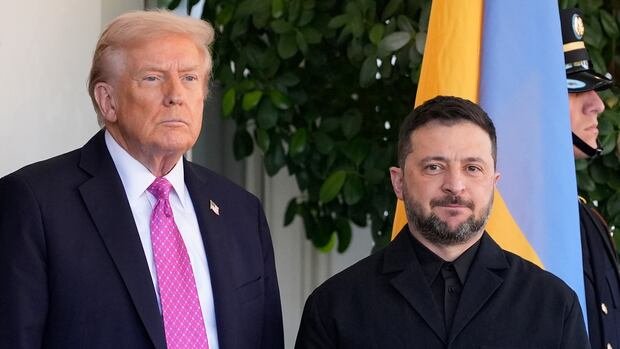

The U.S. President’s shifting stance on the Ukraine conflict has once again aligned with Russian President Putin’s perspective. Despite initial speculation that Trump might take a tougher stance against Russia and align more closely with the European Union, his recent comments at the U.N. General Assembly were seen as more of a temporary deviation rather than a policy shift.
Following talks about possibly supplying Ukraine with Tomahawk cruise missiles, Trump engaged in a lengthy phone call with Putin, after which he backed away from the missile deal during a meeting with Ukrainian President Zelenskyy. This move is consistent with Trump’s previous actions, such as halting financial aid to Ukraine and refraining from imposing new sanctions on Russia.
Experts suggest that Trump’s reversal is due to Putin’s influence, with reports indicating Trump pressuring Zelenskyy in private to concede territory to Russia or face destruction. Despite public statements, Trump’s recent remarks indicate a reluctance to support Ukraine and a possible upcoming summit with Putin in Hungary.
As the situation unfolds, the prospect of a Trump-Putin meeting looms, potentially in Hungary, following their unsuccessful Alaska meeting. Zelenskyy remains cautious about the summit, particularly due to the involvement of Hungarian PM Viktor Orban, known for his pro-Putin stance. The ongoing dynamics suggest challenges ahead for achieving peace in the region.