
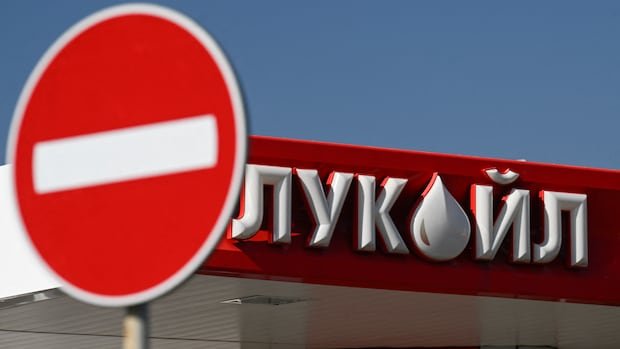

When the United States Treasury imposed sanctions on two of Russia’s leading oil companies on Wednesday, it underscored Washington’s increasing frustration with Russian President Vladimir Putin’s refusal to agree to a 30-day ceasefire in the conflict with Ukraine or participate in meaningful negotiations.
The U.S. Treasury accused Lukoil and Rosneft of supporting the Kremlin’s military operations. These sanctions caused a surge in global oil prices and raised concerns among Russia’s oil customers.
What is the impact of these sanctions?
In a press release, the U.S. Treasury imposed sanctions on Lukoil and Rosneft, as well as over 30 of their subsidiaries. Combined, these two companies export more than three million barrels of oil per day, as stated by the U.K. government, which had previously sanctioned both companies earlier in the month.
Rosneft, a state-controlled entity led by Putin’s close ally Igor Sechin, accounts for nearly half of Russia’s total oil production.
Lukoil, a privately held company, contributes to two percent of the world’s oil production. In March 2022, its board of directors called for a ceasefire in Ukraine, emphasizing the importance of negotiations and diplomacy.
Moreover, the scope of potential sanctions extends beyond these companies. The U.S. Treasury mentioned the possibility of targeting financial institutions and other entities engaged with these oil producers, giving companies until November 21 to cease transactions.

How does this impact Russia’s oil sales?
Following Russia’s invasion of Ukraine in 2022 and subsequent energy sector sanctions by Western nations, Moscow redirected more energy exports towards China and India, its major oil customers purchasing at discounted rates.
Amid the sanctions, significant players are considering reducing imports due to fears of secondary sanctions and exclusion from U.S. financial markets.
India’s Reliance Industries, a top buyer of Russian oil, plans to decrease or halt Russian oil imports. Likewise, Chinese state oil companies have reportedly suspended seaborne oil purchases from Russia.
According to Maria Shagina, a senior fellow at the International Institute for Strategic Studies, the impact of secondary sanctions will vary for China and India, with India likely to wind down operations faster due to reliance on Rosneft.
On the contrary, Chinese teapot refineries, being smaller and more independent, may be less affected by the threats, as per Shagina.
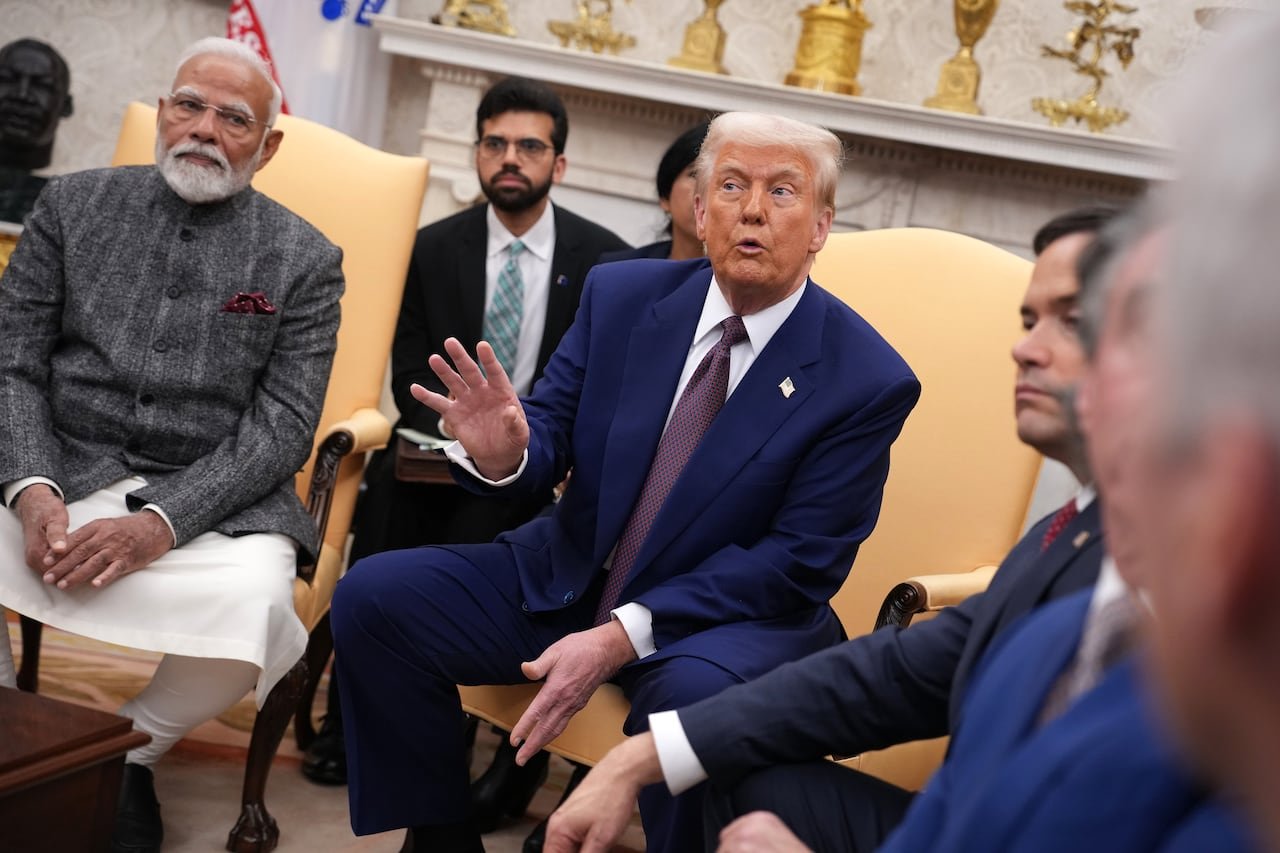
Recently, U.S. President Donald Trump stated that Indian Prime Minister Narendra Modi assured him of reduced future oil purchases from Russia amid ongoing trade negotiations.
Russia’s Response
Russia reacted with anger and dismissal to the sanctions. Dmitry Medvedev, the deputy chairman of Russia’s Security Council, criticized Trump on social media, accusing him of being “on the warpath against Russia.”
The Russian Foreign Ministry labeled the sanctions as “counterproductive” with adverse effects on the global economy. Analysts like Igor Yushkov foresee financial impacts on Rosneft and Lukoil but doubt significant budgetary consequences for Russia.
Yushkov expressed skepticism about the U.S.’s ability to pressure China effectively, believing that supply chains would eventually adapt to the sanctions, leading to reduced oil