
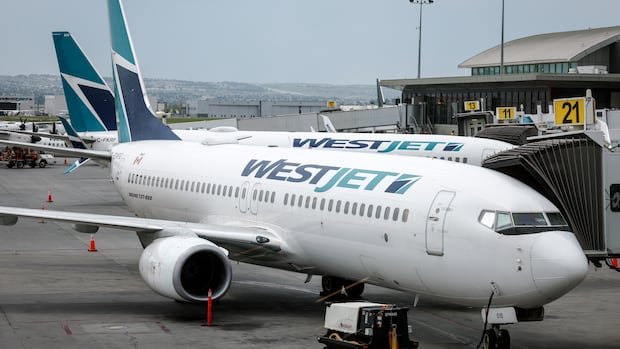

WestJet has decided to reverse its recent decision to implement a new seating arrangement that reduced legroom on many of its planes, following a wave of backlash triggered by a viral video. The country’s second-largest carrier announced the cancellation of the cramped seat configuration and will revert to a more spacious layout, despite the costly process of reinstalling the original seating.
CEO Alexis von Hoensbroech stated that after receiving negative feedback from passengers and employees, including declining customer loyalty and satisfaction ratings, the airline recognized the need for corrective action. The reconfiguration of nearly two dozen Boeing 737s with non-reclining seats in the economy section, offering the least legroom among major Canadian carriers, garnered significant public attention after a TikTok video showcasing the tight seating conditions went viral.
Acknowledging concerns raised by staff and travelers about safety implications and the overall passenger experience in the densely packed cabins, WestJet plans to transition all 180-seat jets to a 174-seat layout upon regulatory approval. While this change may lead to a slight increase in fares due to a reduced number of seats, the airline aims to address customer feedback and mitigate negative publicity.
The decision to backtrack on the cramped seating plan reflects a direct response to consumer sentiments and highlights the impact of public opinion on airline policies. Despite the effort to appease dissatisfied travelers, rebuilding trust with customers may pose challenges for WestJet in the aftermath of the seating controversy. The airline’s decision was welcomed by cabin crew members and their union, signaling a potential shift towards collaborative discussions with management moving forward.
The revised seating arrangement on WestJet planes will predominantly feature 30-inch economy seats, offering improved comfort compared to the previous configuration. However, the reconfiguration process entails additional complexities and costs, including adjustments to overhead components and in-seat amenities. While the now-abandoned layout accommodated more premium and extended comfort seats with larger pitch sizes for enhanced profitability, the airline faced criticism for compromising passenger comfort and safety.
WestJet’s decision to abandon the tight seating layout underscores the importance of customer feedback and highlights the influence of public opinion on industry practices. The airline aims to address concerns regarding passenger comfort and safety by reverting to a more spacious seating arrangement, emphasizing the value of customer satisfaction in shaping airline policies.