
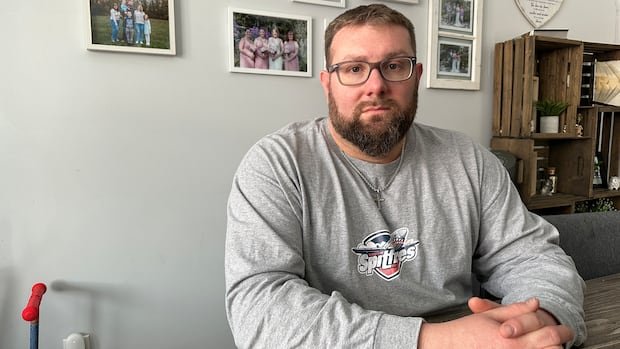

A resident in Windsor is facing pressure from the city to reverse alterations made to his backyard, with concerns about the financial implications and an impending deadline. Robert Redmond, a Fontainebleau homeowner, purchased his property in 2019, which included a berm and cement wall for sound mitigation from nearby train tracks. Observing that neighboring properties had made similar changes in the past, Redmond proceeded to dismantle the structures during the pandemic, citing safety concerns due to the deteriorating condition of the wall.
Redmond invested $6,700 to remove the berm and wall, creating more space for his children to play. However, a neighbor reported the modifications to the city, leading to a directive for Redmond to reconstruct the berm within a year with the assistance of a sound engineering specialist. Despite extensive efforts to locate an engineer, Redmond eventually connected with one from the original berm design firm, proposing a wooden fence as a sound-compliant alternative.
City officials rejected the proposed solution, emphasizing the necessity of restoring the berm for safety reasons in case of a train accident. Redmond disputed this argument, highlighting the low-risk nature of the area given the slow-moving trains in the yard. The City of Windsor cited property standards bylaws requiring maintenance of sound barriers and berms for safety near active train tracks, emphasizing enforcement for residential developments.
Engineering professor Colin Novak supported the berm’s importance in noise reduction and safety, noting the established guidelines for acceptable noise levels near railways. While alternative solutions like noise barrier or concrete fences were considered, Novak asserted that berms remained the standard safety measure along railway lines in North America due to their effectiveness in containing potential derailments.
Redmond expressed frustration over the city’s stance and the looming deadline to restore the berm by February 4. Facing potential financial penalties and the substantial cost of reinstallation, he highlighted the financial strain on his family and the lack of options for recourse. Despite canceling expenses like a Disney subscription, Redmond voiced uncertainty about meeting the city’s demands and the impact on their future plans.