
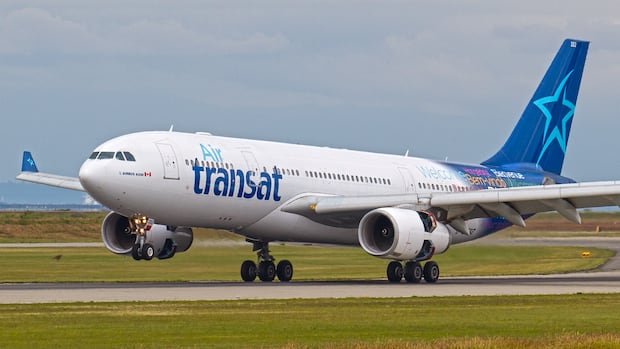

Air Transat and Air Canada are modifying their flight prices due to the escalating cost of jet fuel influenced by the Middle East conflict. Air Transat’s CEO, Annick Guérard, stated that fuel surcharges for flights to Europe have been raised, with adjustments discreetly incorporated into the overall pricing structure. Guérard also mentioned implementing fare increases on peak travel days and less competitive routes to offset escalating costs.
Similarly, Air Canada indicated that pricing adjustments are being made to account for the heightened fuel expenses. Various international airlines have introduced fuel surcharges to cover unexpected oil price hikes since the U.S. and Israel’s actions against Iran on February 28 triggered a regional conflict impacting global oil supply.
In response to the crisis, Cathay Pacific announced a doubling of fuel surcharge fees on Canadian ticket purchases, while airlines like Air New Zealand, Qantas Airways, and Scandinavian Airlines have also announced fare hikes. Japan Airlines plans to evaluate fuel costs over a two-month period before adjusting surcharges.
Some airlines such as Lufthansa and Ryanair have adopted hedging mechanisms to temporarily fix fuel prices. Guérard emphasized that already sold tickets cannot be repriced, and immediate fare increases could negatively impact demand. Air Transat recently raised surcharges by $25 on Canada departures and €15 on Europe departures to mitigate the fuel cost surge.
Jet fuel expenses constitute a significant portion of airlines’ expenditures and have drastically increased since the conflict’s onset. According to the International Air Transport Association, jet fuel prices surged by 58.4% from $99.40 US to $157.41 US per barrel between February 27 and March 6.
WestJet acknowledged the rising operational costs due to the conflict and suggested potential pricing adjustments. Porter Airlines, on the other hand, indicated close monitoring of the situation but refrained from speculating on airfare impacts, highlighting the absence of a fuel hedging strategy and limited operations in the Middle East.