
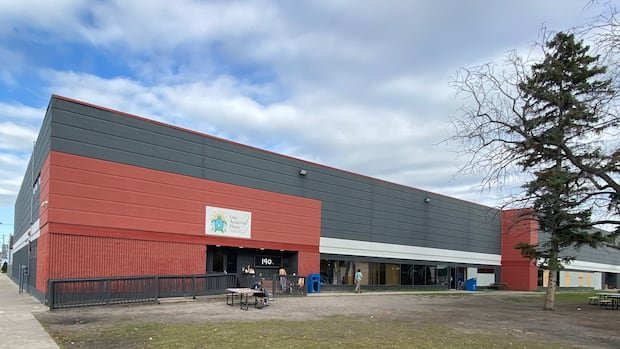

Some Winnipeg locals are expressing opposition to the proposed site for a new facility where severely intoxicated individuals could be detained for up to three days, echoing concerns previously raised regarding plans for a safe consumption site in the same area. Premier Wab Kinew announced plans to establish the 72-hour detox center at 190 Disraeli Freeway, adjacent to an existing 24-hour facility operated by Main Street Project.
The chosen location, in the Point Douglas neighborhood, was initially intended for a supervised consumption site before being abandoned due to community resistance. Katherine Bitney of the Point Douglas Residents Association criticized the selected site, citing its proximity to a school and daycare as unsuitable for such a facility.
Legislation proposing an extension of the involuntary detention period for individuals intoxicated on substances like methamphetamine to 72 hours, up from the current 24-hour limit, passed its first reading. The NDP government asserts that this measure aims to safeguard individuals struggling with addiction and enhance public safety.
Homelessness and Addictions Minister Bernadette Smith stated that the new center will build upon the work conducted for years by the nearby Main Street Project site. Concerns have been raised by local business owner Bruce Christian about potential increases in vandalism and drug activity in the area, despite the center’s intended purpose of addressing these issues.
While the city police have shown support for the plan, advocates emphasize the necessity of adequate supports and supervision to ensure the safety of individuals at the facility. Dr. Ginette Poulin, an addictions medicine specialist, emphasized the importance of considering geographical positioning when establishing such facilities.
Mayor Scott Gillingham voiced full support for the concept of the detox center, emphasizing the need for such a facility in Winnipeg regardless of its location. Community consultation and feedback from various stakeholders, including law enforcement and medical professionals, are being incorporated into the center’s development to ensure it serves as a vital resource for those in need.
The establishment of the detox center is viewed as essential by proponents as a crucial support system for individuals grappling with addiction issues.