
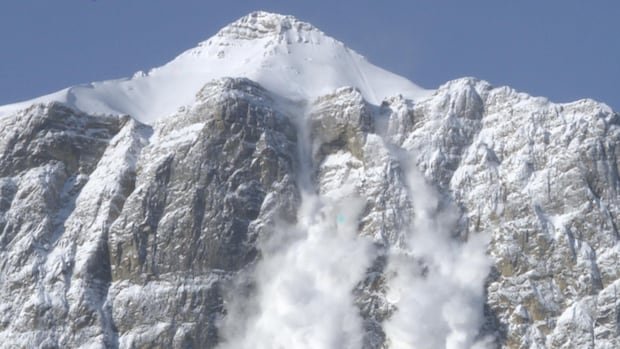

A warm storm moving through British Columbia this weekend is heightening avalanche risks during a typically dangerous time of year in Canada. Environment and Climate Change Canada indicates that the system will bring precipitation, strong winds, and elevating freezing levels across most of the province. Brian Proctor, a meteorologist with the weather agency, explains that this will likely result in increased snowfall at higher elevations over the weekend.
Avalanche hazards are expected to peak on Saturday in parts of the South Coast, including the North Shore Mountains, as freezing levels are projected to rise above 1,500 to 1,800 meters. The potential for problematic precipitation, such as rain falling on existing snow in mountainous regions, can amplify the avalanche risk, as described by forecasters.
The combination of new snow or rain on existing snow layers can escalate pressure on those layers, increasing the likelihood of collapses or slides, says Karina Bakker, a forecaster with Avalanche Canada. The current threat primarily stems from “persistent slab” conditions, where a layer of snow rests above weaker snow buried deeper in the snowpack, making avalanches harder to predict.
March is historically a perilous month for avalanches in Canada, with the highest number of avalanche fatalities occurring during this period over the past two decades. The evolving snowpack complexity, with multiple layers forming due to varying winter weather conditions, contributes to the heightened risk during March. Since December 2025, five avalanche-related deaths have been recorded in British Columbia, underscoring the importance of caution and awareness in backcountry activities.
Avalanche Canada emphasizes the significance of staying informed through daily forecasts and selecting safer terrains. When avalanche risks are considerable, it is recommended to stick to slopes under 30 degrees, and during high-risk periods, avoiding avalanche-prone areas altogether is advised.