
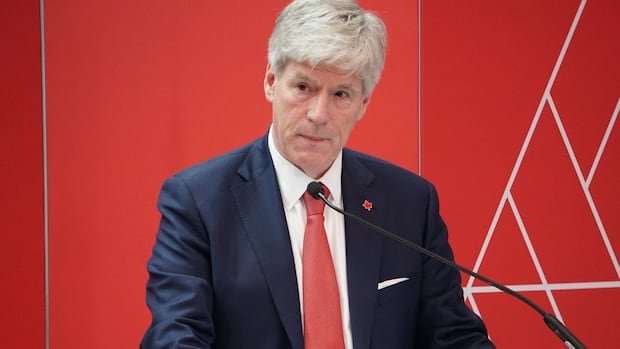

In Texas this week, the federal natural resources minister from Canada, Tim Hodgson, made a bold statement at a global energy conference, asserting that Canada is back and poised to strengthen its energy industry and increase exports. This declaration comes amidst a worldwide energy crisis sparked by the U.S.-Israel conflict with Iran, leading to concerns over inflation spikes and a potential global economic downturn.
While industry leaders appreciated Hodgson’s optimism at the CERAWeek conference in Houston and the government’s direction under Prime Minister Mark Carney, they are seeking tangible actions to demonstrate the federal government’s commitment to transforming Canada into an energy superpower. They are particularly wary due to past unsuccessful ventures, such as oil pipelines and liquefied natural gas (LNG) export facilities.
Hodgson emphasized the critical need for Canada’s energy resources and minerals by allies for national security during an interview with CBC News in Houston. The minister highlighted the increased interest in Canadian energy at the conference, where provincial politicians, including conservative premiers from Newfoundland and Labrador, Nova Scotia, and Alberta, joined him. This display of federal-provincial unity was noted as a significant opportunity for the country.
The federal government’s energy initiatives have elicited mixed reactions within Canada. While the Liberals passed legislation last summer to expedite nation-building projects, critics raised concerns about potential compromises in environmental assessments and Indigenous consultations in favor of industrial growth. Despite these controversies, Ottawa has implemented several policy changes, including relaxing environmental regulations like the oilpatch emissions cap and collaborating with Alberta on a potential new oil export pipeline to the British Columbia coast.
At CERAWeek, Shell’s CEO highlighted Canada’s growth potential due to the country’s abundant natural gas resources and improved government support for the industry. The CEO emphasized the strengths of projects like LNG Canada, which commenced natural gas exports in British Columbia. Other industry leaders echoed the sentiment that Ottawa’s policy adjustments will eventually streamline the permitting process, reflecting progress in government understanding and support for energy development.
While Ottawa aims to expand the energy sector and exports on the West Coast to enhance the economy and diversify amid ongoing trade disputes, attracting investments faces global competition, particularly from the U.S. Regulatory approval timelines for major energy projects in Canada have historically been prolonged compared to the U.S., where projects can be approved within six months. Efforts are underway to expedite energy projects in Canada, including LNG initiatives on the West Coast, to enhance competitiveness and capitalize on opportunities.
Overall, stakeholders in the energy sector, such as Kevin Krausert, are optimistic that the federal government’s initiatives will bolster Canada’s energy industry, noting the global demand for Canadian oil. Krausert emphasized the need for Canada to demonstrate its stability as an energy superpower and deliver on its potential in the global market.