
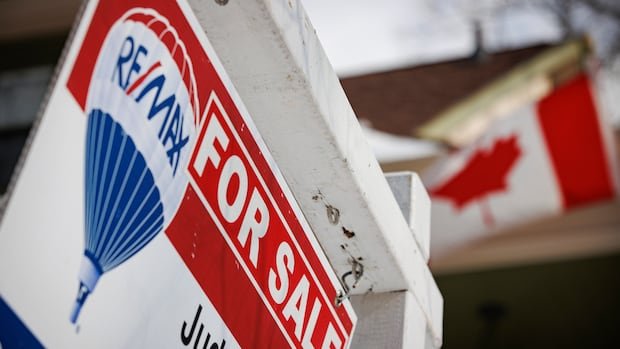

The conflict in the Middle East is affecting an unexpected aspect for many Canadians: the cost of certain mortgages. Recently, fixed-rate mortgages for three- and five-year terms surged by 0.5 percent within a three-week period, as reported by Toronto-based mortgage broker Marshall Tully. Tully cautioned that this upward trend might persist.
According to the Canada Mortgage and Housing Corporation (CMHC), approximately 1.4 million mortgages are due for renewal by year-end, constituting around 23 percent of all existing mortgages. Many of these homeowners had previously enjoyed lower rates in 2021, leading to some being unprepared for the current rate hikes.
Tully highlighted that fixed-rate mortgages have escalated rapidly, mainly due to their ties to bond yields, which are susceptible to global events like conflicts. The recent address by U.S. President Donald Trump provided limited clarity on the war’s duration, prompting some lenders to increase rates after his speech.
The ‘uncertainty premium’ has come into play, impacting fixed-rate mortgages in Canada alongside the ongoing trade tensions and the closure of the Strait of Hormuz by Iran. Benjamin Tal from CIBC World Markets noted a shift in predictions for further interest rate cuts this year due to these factors.
The average rate for a five-year fixed mortgage has risen to 4.95 percent from around four percent just a few weeks ago, with the three-year rate close behind at 4.59 percent. Inflation is expected to rise, influenced by the prolonged closure of the Strait of Hormuz and the resultant spike in energy prices due to the conflict.
Economists foresee potential Bank of Canada rate hikes later this year, with uncertainties surrounding American policies adding to inflationary pressures. Both Tal and Lander emphasized the need for homeowners to prepare for continued uncertainty in mortgage rates.
For those considering mortgage renewals or initiations, experts recommend securing a new rate promptly. Options like rate holds and consulting financial planners or banks to explore flexible terms or amortization adjustments are advisable to navigate the current economic landscape effectively. Despite the challenges, Canadian homeowners have demonstrated resilience in the face of fluctuating rates, according to the CMHC.