
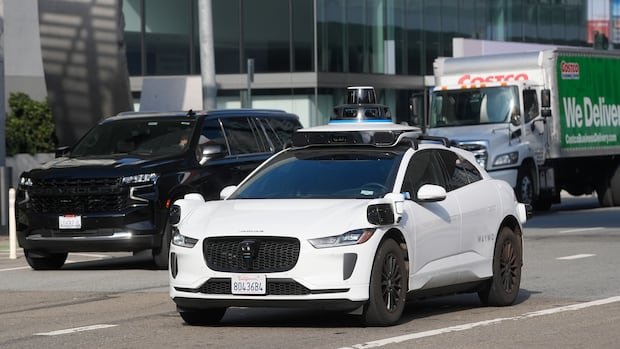

Waymo, the self-driving taxi operator, is setting its sights on the Canadian market with Toronto potentially being a new testing location. However, challenges lie ahead for the California-based company due to political and technological obstacles, particularly the harsh Canadian winters.
Krzysztof Czarnecki, a professor at the University of Waterloo, highlighted the challenges Waymo may face in Canada. While acknowledging the importance of testing such technologies, he emphasized that widespread implementation of robotaxis in the near future is unlikely.
Although Waymo did not respond to inquiries from CBC News, the Toronto mayor’s office confirmed a recent visit from representatives of the company expressing their intent to apply for Ontario’s autonomous vehicle testing program.
Waymo, a subsidiary of Alphabet, currently operates its fleet of all-electric Jaguar I-PACE vehicles in major U.S. cities. The service resembles popular ride-hailing apps but without a human driver.
In addition to Toronto, Waymo has been actively engaging with officials in British Columbia to amend regulations prohibiting fully automated self-driving vehicles in the province.
Ontario’s Ministry of Transportation did not confirm Waymo’s plans but stated that interested parties are welcome to discuss potential testing opportunities in the province under the autonomous vehicle testing program, which now allows driverless vehicles under specific conditions.
Despite progress in autonomous vehicle technology, concerns remain regarding their safety and impact on employment. Waymo claims its technology is safer than human drivers, but experts caution against expecting a flawless safety record. Job displacement in the transportation sector is also a significant consideration as the industry transitions towards automation.
While Waymo’s entry into the Canadian market may face hurdles, the long-term potential for safer roads through autonomous technology remains a focal point amid ongoing discussions about its societal implications.