
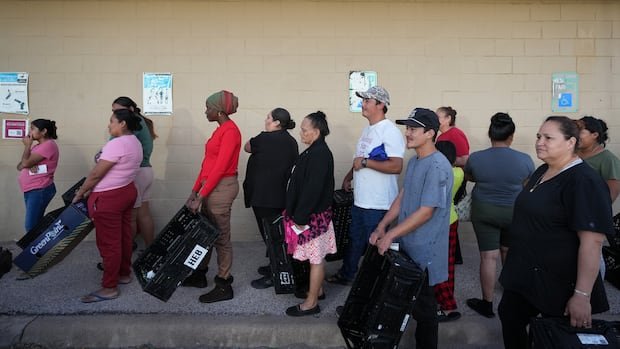

The ongoing U.S. government shutdown has now reached its 36th day, marking it as the lengthiest in history and causing disruptions for numerous Americans. This has led to cuts in federal programs, flight delays, and a situation where federal workers are not receiving their pay.
President Donald Trump has been firm in his stance, refusing to engage in negotiations with Democrats regarding the extension of expiring health insurance subsidies until they consent to reopen the government. However, there is skepticism among Democrats about whether the president will uphold his promises, especially after the administration limited Supplemental Nutrition Assistance Program (SNAP) food aid despite court orders to ensure funds are available to prevent hunger.
Trump attributed the recent losses of the Republican Party in off-year elections to the shutdown and reiterated his call for Republicans to terminate the Senate filibuster to reopen the government, a move that senators have rejected. The current Senate makeup stands at a 53-47 majority for Republicans, with Democrats consistently blocking the House-passed bill aimed at funding the government.
During a meeting with Republican senators, Trump emphasized the urgency of reopening the government. The shutdown has caused significant disruptions in various government services, leaving many federal workers either furloughed or working without pay.
Estimates suggest that the shutdown is costing the U.S. economy billions each week, with differing assessments ranging from $10 billion to $30 billion in losses. Senate Majority Leader John Thune described this as the longest and most severe shutdown in history, emphasizing the need for a resolution to avoid further economic repercussions.
Efforts to resolve the impasse are underway, with discussions involving senators from both parties aiming to reach bipartisan agreements on funding various government programs. The resolution of the standoff over Affordable Care Act subsidies and the restoration of normal government funding processes are key priorities in the negotiations.
While Trump’s approach to the shutdown differs from his previous term, where negotiations were more public, the current deadlock continues to pose challenges for both parties. The complexity of the situation underscores the need for swift action and cooperation to mitigate the impact on Americans and the broader economy.