
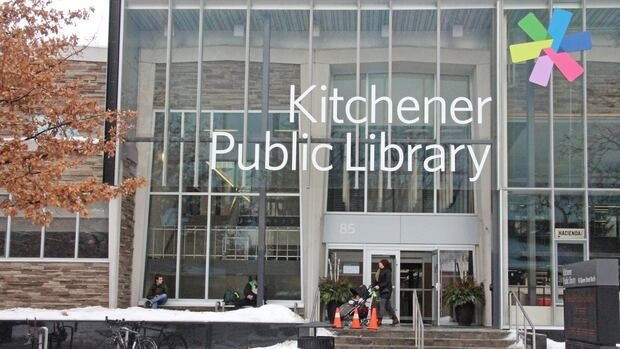

The labor union representing employees at Kitchener Public Library (KPL) is expressing concerns regarding potential staff layoffs, alterations in job titles, and reductions in community programs that could impact the general public. However, library management asserts that any operational changes will not affect services and will ultimately result in a more efficient use of taxpayer funds.
Joseph Brannan, vice president of CUPE Local 331, the union representing KPL employees, disclosed that five workers have been notified of impending layoffs, while numerous other positions will undergo modifications or relocations. The union anticipates that these changes will impact several departments, including the Heffner Studio and the Grace Schmidt Room of Local History, with the adjustments slated to take effect in January.
In an interview with CBC News, Brannan contested the library’s assertion that services will remain unaffected, stating, “The library is saying there won’t be any impact to service and we know that’s just not the case.” Kitchener Public Library unveiled a new strategic plan in March, outlining a shift from merely providing products and services to delivering outcomes that enhance people’s lives.
KPL explained to CBC Kitchener-Waterloo that the modifications to certain departments and positions align with the new strategic plan. The library confirmed the elimination of three part-time and two full-time roles while creating four new full-time positions and one part-time role. KPL assured that affected employees will be offered new roles within the organization.
The library is known for offering a variety of programs, such as children’s story time, environmental initiatives, services for new Canadians, and career support. The union expressed concerns that the restructuring will reduce the number of staff overseeing these programs from 36 roles to 12 full-time positions, although KPL emphasized that services will not be curtailed, nor is the library facing budget constraints.
Brannan voiced apprehensions that the program cuts may impede KPL’s ability to offer the same range of services due to reduced staff hours. Staff reshuffling across branches, along with title changes, raised concerns about potential disruptions to community ties and the discontinuation of specialized programs. Brannan particularly criticized the removal of ‘librarian’ and ‘library assistant’ titles, emphasizing the importance of preserving these roles’ identity within the library setting.
While Brannan called for a halt to the changes and advocated for direct staff engagement, KPL asserted that staff feedback influenced the restructuring process. The library emphasized that no librarians were eliminated, and the title adjustments were made to elevate the role of librarians within the new structure.
Brannan highlighted the necessity for more extensive consultation and transparency, citing the lack of visibility into survey results that purportedly justified the changes. KPL affirmed that staff input was pivotal in shaping the new operational model.
In conclusion, Brannan underscored the importance of constructive dialogue between the library and its staff to uphold service quality, enhance operations, and preserve crucial job positions valued by the public.