
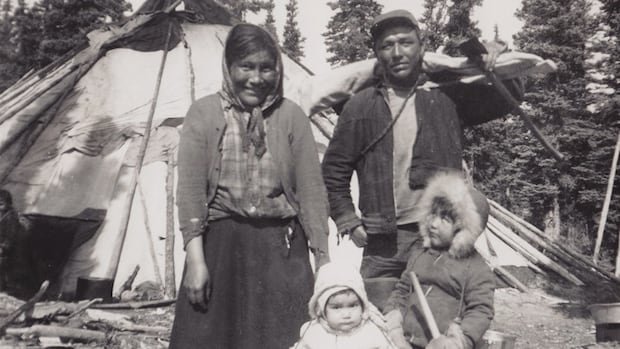

Decades ago, Cree families in remote areas relied on traditional methods for survival, such as fetching water from streams, heating log cabins with wood, and hunting for food. Two Cree leaders, Bertie Wapachee and Gordon Blackned, reflect on life before and after the James Bay and Northern Quebec Agreement (JBNQA) transformed Eeyou Istchee more than 50 years ago.
Having witnessed the transition in the early 1970s, they recall how their communities adapted traditional ways to modernization. Gordon Blackned, now 74, expressed hope for the future, emphasizing the importance of preserving language, land, and identity for the Cree people.
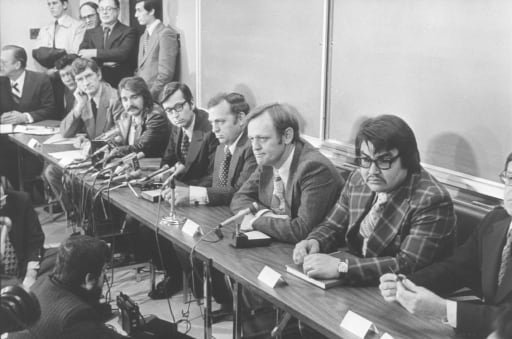
Signed in 1975 among the Cree, Inuit, Quebec, and federal governments, the JBNQA acknowledged Indigenous land rights, granted self-governance, and offered compensation. This historic agreement marked Canada’s first modern treaty, serving as a blueprint for future pacts.
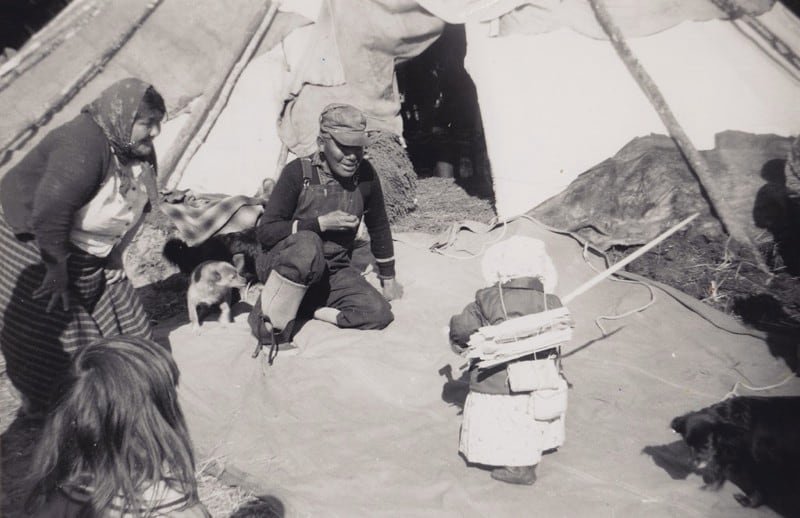
Blackned, who spent his early years in the bush with his family, highlighted the shift towards modernization post-JBNQA. While acknowledging the improved quality of life for the Cree, he expressed concerns about the diminishing knowledge of language and traditional practices among the youth.
Emphasizing the importance of passing down ancestral wisdom, Blackned stressed the need to educate younger generations about their heritage and values. He believes that preserving these traditions is essential for grounding future generations.
Similarly, Bertie Wapachee, reflecting on his childhood experiences, underscored the role of learning traditional skills and customs from elders. He vividly recalled the impact of the JBNQA discussions on his community, which ultimately led to significant changes in lifestyle, including the introduction of modern amenities like vehicles and paved roads.
Both Blackned and Wapachee highlighted the resilience and adaptability of the Cree people in the face of change. They recognized the importance of learning from past challenges to navigate current and future developments while safeguarding their cultural heritage and land rights.
As Eeyou Istchee marks the 50th anniversary of the JBNQA, reflecting on the past serves as a reminder of the ongoing responsibility to protect and preserve Cree territory for generations to come.