
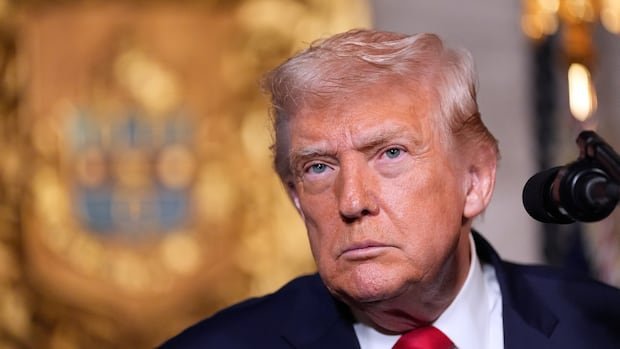

Donald Trump, the President of the United States, has been a disruptive figure in politics for the past decade. However, the speed of change in the first year of his second term is unprecedented in the history of the American republic, which spans nearly 250 years.
Since taking office in January, Trump has implemented significant changes, including disrupting global trade with new tariffs, tightening immigration policies, and reducing the federal workforce. He has also intervened in international conflicts by leveraging economic pressure, achieving some successes, such as in the Middle East. Additionally, Trump has used his platform to influence domestic matters, like pushing for congressional redistricting in Texas and criticizing public figures like Rob Reiner shortly after his passing.
While Trump’s legislative agenda has been relatively limited, his party passed a comprehensive bill that overhauls taxes, cuts federal health programs, and eliminates climate-friendly initiatives.
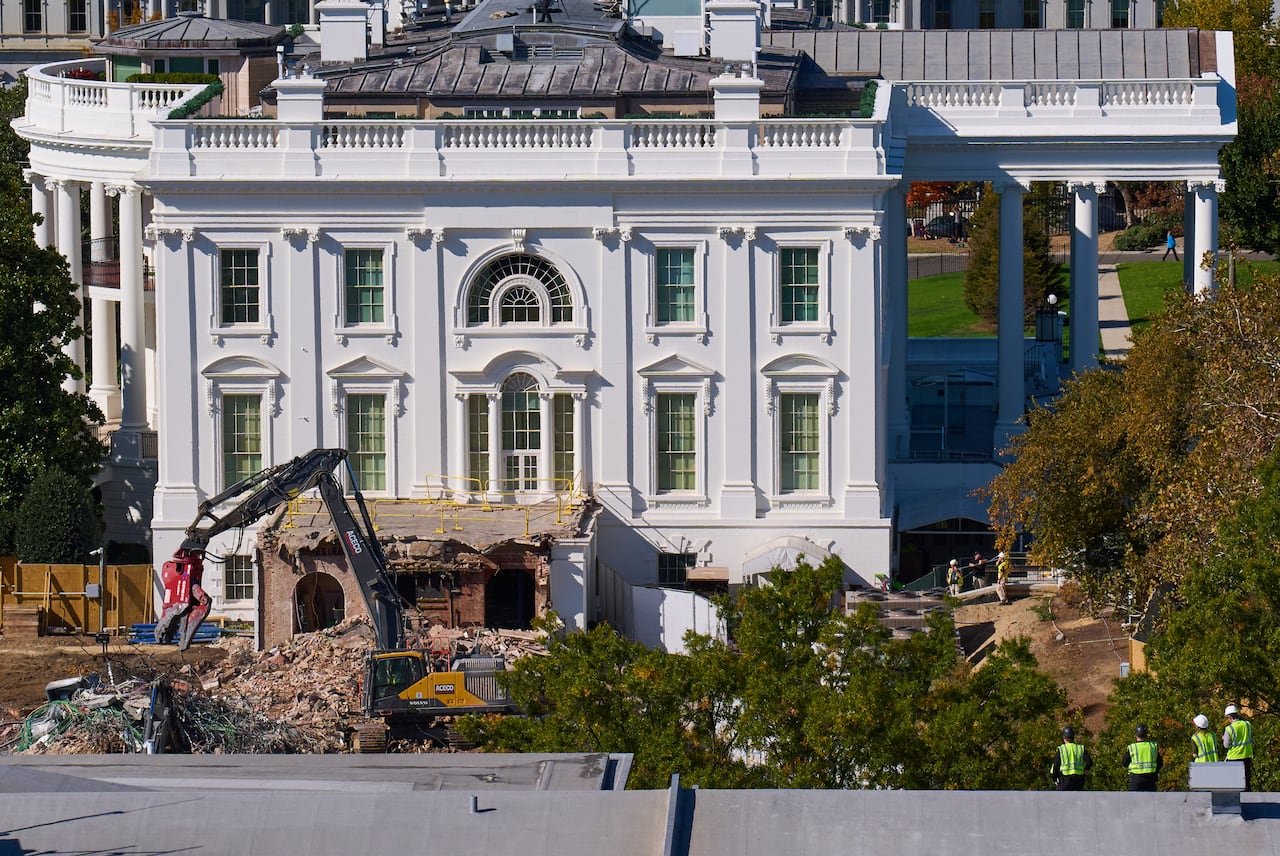
Under Trump’s administration, agencies like USAID have been drastically scaled back, and funding for public broadcasting support has been cut. Trump has also made unconventional changes to Washington, D.C., implementing structural modifications to the White House without typical approvals, deploying National Guard troops for security, and urging local authorities to address issues like park maintenance and homelessness.
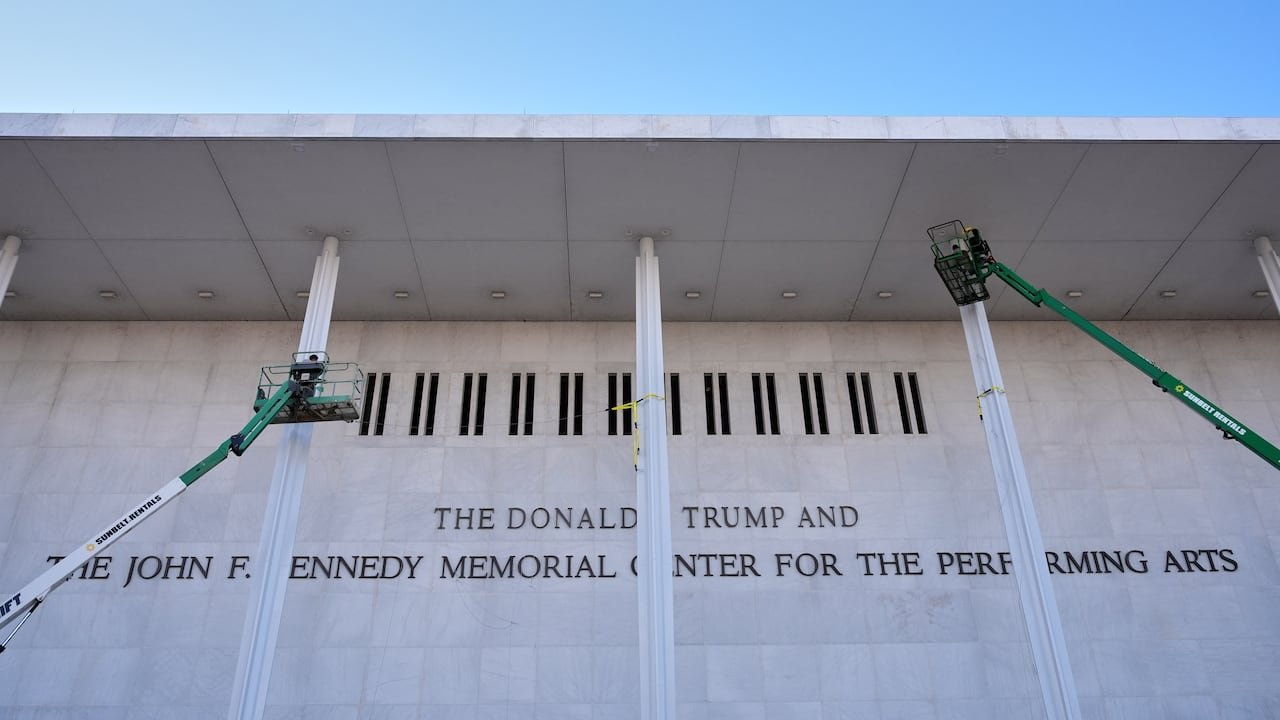
Furthermore, the historic Kennedy Center has been renamed in Trump’s honor under his direction.
Matthew Bartlett, a Republican strategist and Trump appointee, described Trump’s presidency as remarkable, comparing it to ancient Egypt’s Pharaoh Akhenaten for its radical transformation and omnipresence.
Barbara Perry, a presidential historian, acknowledged that past presidents have initiated significant reforms, but Trump’s approach and pace of change are unparalleled in American history, characterized by extreme actions and a reality show-like presidency.
Data compiled by CBC News highlights the extensive use of executive orders by Trump, surpassing his predecessors in the first year of his presidency. His executive actions have covered a wide range of issues, from trade disputes with Canada and Mexico to immigration policies and economic measures.
Trump’s economic policies have faced criticism, with polls indicating a decline in public approval, particularly regarding inflation and living costs. The impact of his trade actions on prices and job losses has raised concerns among experts.
While Trump has made strides in immigration enforcement, with record deportations and reduced illegal border crossings, his aggressive stance has drawn criticism. The administration’s crackdown on immigration has been met with political challenges and potential consequences.
In terms of international relations, Trump’s trade policies have strained relations with Canada, leading to economic repercussions and a decline in Canadian tourism to the U.S.
Despite historical comparisons, analysts agree that Trump’s presidency is unprecedented in its scope and impact.