
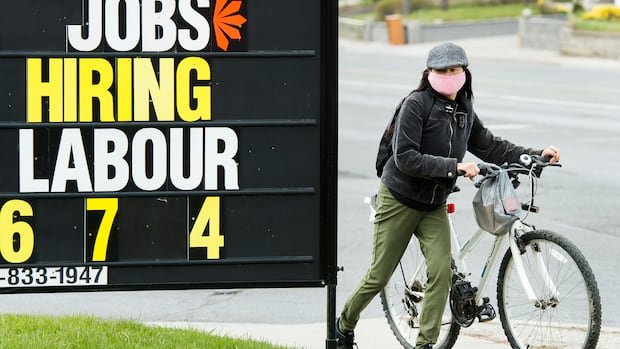

A recent year-end survey conducted by Nanos indicates that Canadians are looking for the Liberal government to take action on key economic issues in the upcoming year. According to the poll results, jobs and the economy were identified as the top national concerns by just over 20% of respondents, surpassing the 10% who prioritized relations with the United States and President Donald Trump.
Inflation, healthcare, and immigration were also among the top five concerns for Canadians. Another poll by Nanos, released this week, reveals that consumer confidence remains neutral as the new year approaches. The surveys, conducted over four weeks leading up to December 26, involved more than 1,000 participants, with a margin of error of plus or minus three percentage points, 19 times out of 20.
Nik Nanos, Chief Data Scientist, highlighted the ongoing tug-of-war between the economy and U.S. relations as primary issues for voters throughout 2025. While jobs took the spotlight in the recent poll, the uncertainty surrounding trade relations with the U.S. is contributing to concerns about Canada’s economic outlook in 2026.
Consumers are feeling apprehensive about their finances, creating a sense of cautiousness as they enter the new year. The potential impact of this anxiety on major purchases and the economy in the coming year remains uncertain. Prime Minister Mark Carney, who came into power earlier in the year, positioned himself as adept at managing economic challenges and U.S. relations.
Although the Liberal government gained two more seats in 2025, they are still one seat short of a majority. Polling data shows the Liberals leading the Conservatives at 38.4% to 34.1%, with Carney maintaining higher approval ratings compared to Conservative leader Pierre Poilievre. The possibility of a confidence vote leading to a federal election looms if the minority government is defeated.
Nanos emphasized that Canadians are eager to see progress on issues like housing affordability and grocery costs but may hold reservations about promises made to address long-standing cost-of-living challenges. As the political landscape evolves, the NDP’s role, currently with an 11.2% share of voting intentions, could become pivotal in influencing the outcome of the next election.
The shift to 2026 presents an opportunity for politicians to deliver on economic pledges and address voter expectations. As the year progresses, the government’s ability to fulfill campaign promises and address pressing economic concerns will be closely scrutinized by a populace eager for tangible results.