
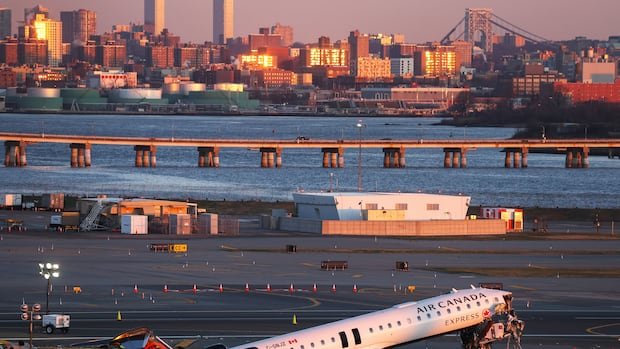

A tragic incident unfolded at LaGuardia airport in New York when a fire truck was struck by an Air Canada flight, resulting in the deaths of both pilots. The sequence of events leading up to the collision, spanning just twenty seconds, was captured in harrowing audio recordings of an air traffic controller desperately attempting to avert disaster.
The controller’s distress is palpable in the recordings as he grapples with the gravity of the situation and acknowledges his error in allowing the truck and the plane onto the same runway. Aviation experts caution against oversimplifying the tragedy, emphasizing the complexity of potential failures that may have contributed to the fatal crash.
While investigations by the National Transportation Safety Board (NTSB) indicate a breakdown across multiple safety systems rather than a single mistake, concerns have been raised about air traffic control staffing levels and ground incursions at airports. The incident underscores the challenges faced by controllers managing heavy workloads during overnight shifts.
In the aftermath of the collision, industry professionals have expressed empathy for the controller’s emotional response, highlighting the immense pressure and responsibility inherent in their roles. The aviation community draws parallels to a historic aviation incident in 1968, emphasizing the importance of considering a range of factors beyond individual accountability.
As investigations delve into technical and procedural aspects of the crash, questions arise about the equipment on the ground vehicles, communication protocols, and the effectiveness of collision alert systems. The tragic event serves as a poignant reminder of the critical nature of air traffic control operations and the need for continuous vigilance to ensure passenger safety.