
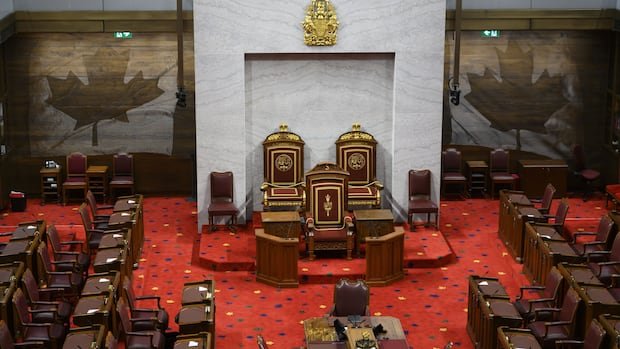

Senators from the social affairs committee are urging the Senate national security committee to either remove or make significant changes to the immigration-related provisions in the government’s border bill, C-12. The social affairs committee conducted a detailed examination of the bill’s immigration components, which was outlined in a report obtained by The Canadian Press. Testimonies from various witnesses expressed concerns that the legislation could potentially infringe on human rights and lacks procedural fairness.
Bill C-12 contains sections that specifically focus on immigration matters, including information-sharing protocols and the management of the asylum system. Additionally, it proposes granting the government enhanced authority to adjust or cancel existing immigration documents and applications.
The social affairs committee’s report recommends that if the national security committee decides not to eliminate the immigration sections, it should introduce more rigorous parliamentary oversight into the legislation and include a sunset clause mandating a parliamentary review. This recommendation was positively received by civil society groups that provided testimony before the Senate social affairs committee.
Witnesses highlighted that a specific provision in the bill would prevent individuals who arrived in Canada more than a year ago from lodging refugee claims with the Immigration and Refugee Board, with retroactive application from June 24, 2020. This restriction would impact asylum claims made on or after June 3, 2025. Minister of Immigration Lena Diab informed the committee that approximately 37% of asylum applications filed between June 3 and Oct. 31, 2025, would be rejected under this eligibility rule, affecting around 19,000 out of 50,000 applications.
Concerns were raised that the current wording of the legislation might hinder individuals, such as those who arrived in Canada as infants during a family trip, from submitting traditional asylum claims. The committee recommended extending the one-year period to five years to address this issue.
Opponents of the bill argue that it could establish a two-tier asylum system, potentially denying vulnerable groups, like LGBTQ+ individuals and domestic violence survivors, the opportunity for in-person hearings. The committee also rejected the retroactive application of the section and proposed activating it upon receiving royal assent.
Furthermore, the bill seeks to grant the government the authority to revoke or modify various immigration documents, including permanent residency cards, already issued or in the application pipeline, if deemed in the public interest. While government representatives stated this power would address administrative errors, fraud, and threats to public safety, critics warned of possible discriminatory mass revocations and drew parallels to past instances of government actions against Jewish refugees.
The social affairs committee suggests incorporating an amendment to enforce robust parliamentary oversight to monitor the utilization of these proposed powers. Additionally, the committee proposes allocating additional resources to the Immigration and Refugee Board to expedite the review of refugee claims, given the current backlog of approximately 300,000 claims.
The bill also includes provisions allowing the government to share the personal information of migrants, permanent residents, and naturalized citizens with other federal departments, provinces, territories, and foreign governments to streamline information-sharing processes and ensure applicants receive services efficiently. The committee recommended exempting permanent residents and naturalized citizens from this information-sharing and introducing mandatory review by the privacy commissioner.
The Senate national security committee is set to undertake a detailed review of the bill on Monday, with the opportunity to introduce amendments during this stage. The bill faces a second reading vote deadline of Feb. 26.