
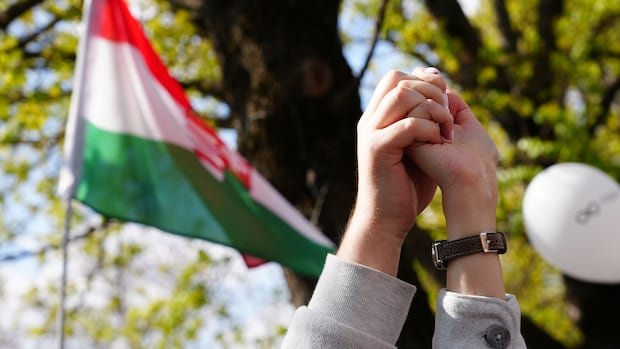

In the lead-up to the Hungarian election, anticipation and tension gripped voters as polling stations prepared to open nationwide. Independent surveys hinted at a potential shift in power, with Viktor Orbán’s Fidesz party facing a strong challenge from the opposition Tisza party, led by former Fidesz loyalist Pétér Magyar.
Supporters of Orbán expressed concerns about the possible end of his 16-year rule, while opposition backers worried that despite growing support, securing the coveted two-thirds majority might remain elusive. Gergely Lázár, a 26-year-old who attended a Tisza rally, voiced his apprehension about the potential transition of power, acknowledging the challenge of Orbán relinquishing control after a long tenure.
Orbán, the EU’s longest-serving prime minister, has been a divisive figure domestically and internationally. Critics accuse him of consolidating power through control of institutions and media, fostering corruption, and advocating for an illiberal democracy that emphasizes traditional values and state control.
The election campaign also highlighted Hungary’s strained relations with the EU, particularly concerning frozen funds due to democratic concerns and clashes over issues like the Druzbha pipeline repairs in Ukraine. The ongoing conflict in Ukraine has been a focal point, with Orbán framing the election as a choice between supporting him or risking involvement in international conflicts.
The election process has drawn scrutiny for alleged gerrymandering and concerns about media influence and blurred lines between party and state resources. Observers from the OSCE have noted a trend of fear-mongering in campaign messaging and raised questions about the fairness of the electoral system.
The outcome of the election has significant implications not only for Hungary but also for its international relationships and future direction. The choice between continuity under Orbán’s leadership and a potential shift towards the opposition party’s vision has sparked intense debate and uncertainty among voters.