
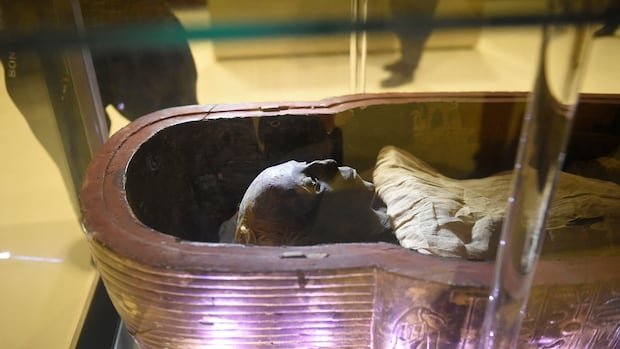

A recent study shed light on the global online market for preserved human remains, a niche interest that could pose health risks, according to researchers. Lead author Kirsty Squires and her team examined 128 web posts showcasing or advertising human and animal remains for sale between 2015 and 2025. Mummified body parts, such as heads, hands, and feet, were commonly featured.
The study highlighted potential health concerns associated with handling mummified remains, as they may harbor dormant microorganisms like bacteria and fungi. Improper storage conditions can lead to visible deterioration of the remains, releasing fungal spores and bacteria when handled. Some mummified body parts may also contain toxic chemicals from embalming fluids.
While the study did not report specific cases of illness from handling online-purchased human remains, historical incidents involving exposure to airborne spores have proven fatal. Despite potential health risks, some experts argue that collectors who handle these items safely may not face significant issues.
In Canada, the study identified 11 individuals involved in the online trade of human remains. Shawn Graham, a digital archaeology professor, noted the lack of meaningful regulation in Canada’s market for human remains, with dealers easily accessible. Shipping companies like Canada Post, Purolator, and UPS restrict the transportation of human remains, allowing only cremated remains that meet specific requirements.
Concerns have been raised about the ethical implications of trading in human remains. Graham advocated for stricter regulations, echoing a call made in the U.K. to ban the online sale of human remains. He emphasized the importance of respecting human remains and preventing their commodification for trade.