
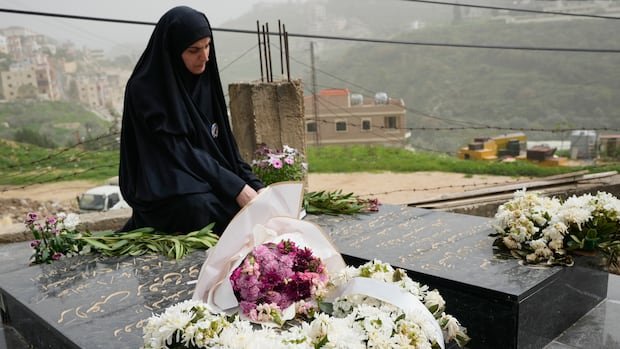

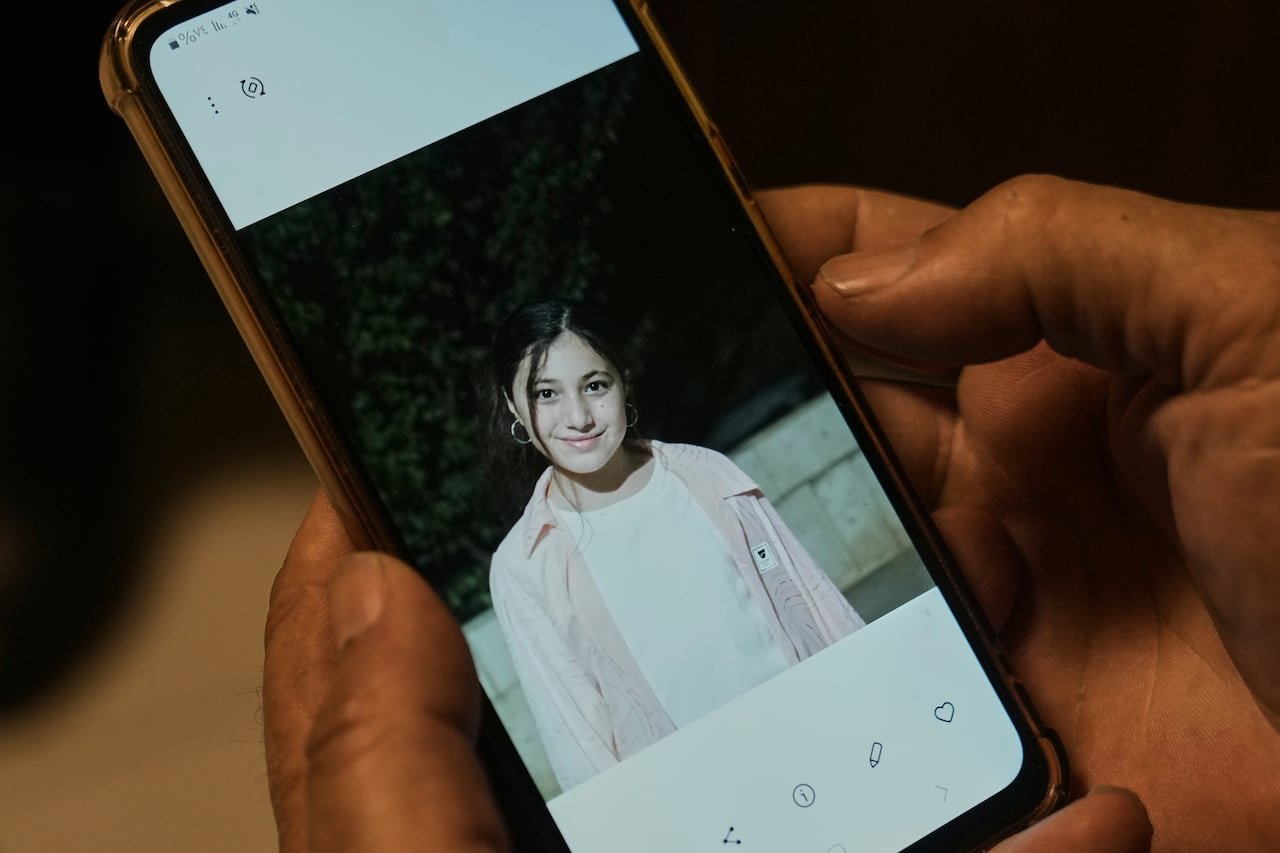
Playing soccer with his cousins in the neighborhood, 11-year-old Jawad Younes took a break to walk his tired four-year-old brother, Mehdi, back home to their mother. Returning to the game moments later, an Israeli strike hit their uncle’s house, causing chaos in the area.
The strike tragically claimed the lives of Jawad, his cousin, and several other children, while injuring many more. The children’s mother, Malak Meslmani, was left devastated, especially for losing her son in the attack.
Despite being described as a civilian by Meslmani, Jawad’s family, like many others in southern Lebanon, have ties to Hezbollah, a militant group opposing Israel’s presence in the region since the 1980s.
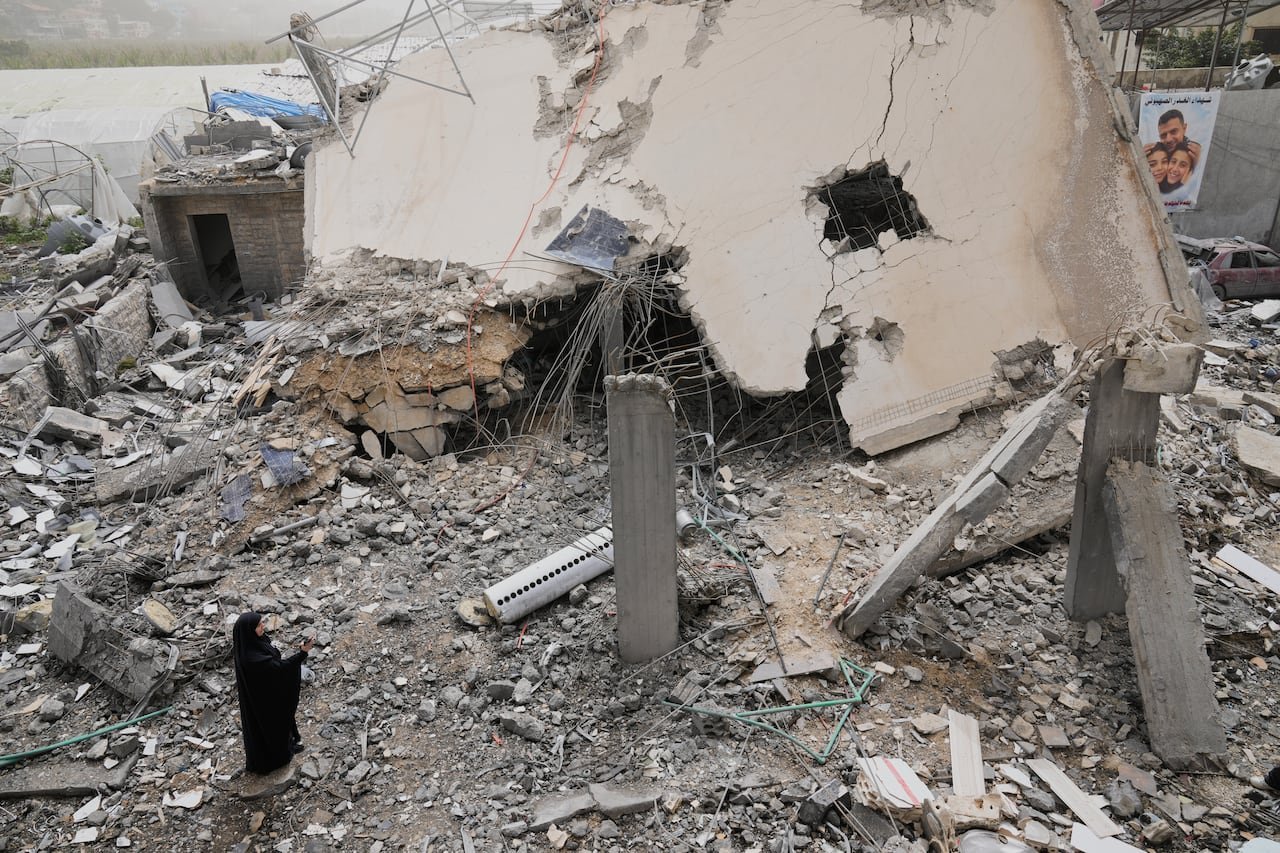
According to Lebanon’s Health Ministry, Jawad and his cousin were part of the 168 children who lost their lives in Israeli strikes during the six-week conflict with Hezbollah, resulting in over 2,100 casualties.
While Israel claims to target Hezbollah members, often in residential areas away from the front lines, allegations of civilian casualties, including children, have sparked accusations of war crimes from the families affected.
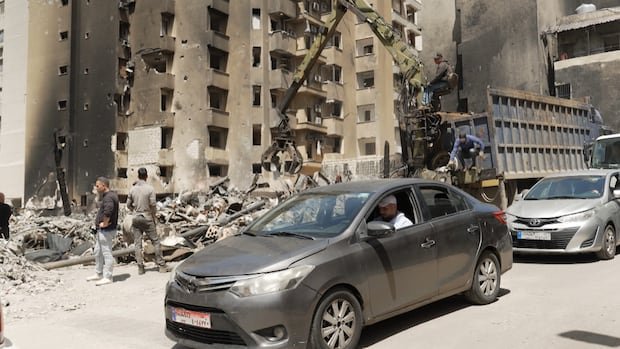
As peace talks between Israel and Lebanon begin in Washington, the search for the dead continues in Beirut after a massive Israeli military attack on Wednesday.
Israeli casualties in the conflict include two civilians and 13 soldiers, with one civilian mistakenly killed by Israeli fire. The Israeli military maintains its actions are directed at Hezbollah targets, despite the collateral damage that includes children.
Under international law, the deliberate targeting of civilians is prohibited, but the concept of collateral damage is accepted if deemed proportional to the military objectives of a strike.
The Israeli military insists it follows legal guidelines, such as the principles of distinction and proportionality, to minimize civilian harm.
Experts like Charles Trumbull emphasize the importance of assessing whether strikes with civilian