
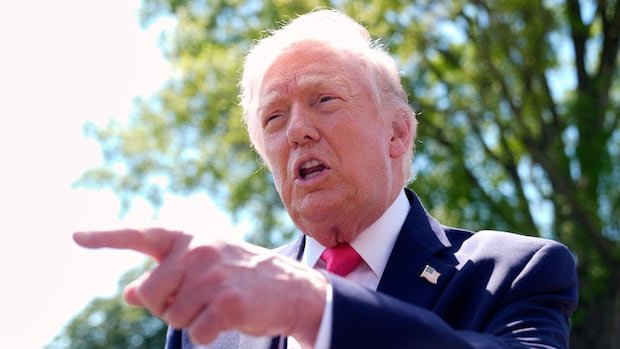

U.S. President Donald Trump strongly criticized a federal judge’s ruling on Thursday, which continues to halt the construction of an above-ground $400 million White House ballroom. The judge, Richard Leon, clarified his decision to allow only below-ground work on a bunker and other national security facilities at the site after an appeals court directive.
President Trump took to social media to condemn Judge Leon, accusing him of being biased and obstructing national security by delaying or preventing the construction of the ballroom. The administration plans to appeal Leon’s latest decision to the U.S. Court of Appeals for the District of Columbia Circuit.
Leon emphasized that below-ground work related to security measures is not affected by the suspension of above-ground construction. The government asserts that the project incorporates crucial security features to protect against various threats like drones, ballistic missiles, and biohazards.
The judge’s recent ruling follows a request from a three-judge panel of the D.C. appeals court to reconsider the potential national security implications of halting construction. Leon previously prohibited above-ground work on the ballroom without congressional approval but allowed construction necessary for White House safety and security.
Leon’s order to stop above-ground construction of the ballroom, except for securing that part of the project, has been extended for a week to provide the administration with time to seek review from the Supreme Court. The judge clarified that the administration can proceed with excavations, bunkers, military installations, and medical facilities below the ballroom.
While recognizing the safety concerns, Leon emphasized that national security does not permit unlawful activities and stated he does not intend to take on the role of a construction manager. The White House ballroom project, intended to accommodate 999 people, received final approval from the National Capital Planning Commission despite facing legal challenges from preservation groups. Public funding covers the bunker construction and security enhancements, while private donations reportedly support the overall project.