

A recent study has shed light on how the combination of wildfires, permafrost thaw, and other environmental shifts is intensifying the release of greenhouse gases into the atmosphere, consequently accelerating climate change beyond current global projections. These climate feedback loops, where climate change triggers increased carbon emissions that further contribute to climate change, could potentially amplify warming by 20 to 30 percent compared to existing estimates for this century.
The research, conducted by experts from various U.S. institutions such as Stanford University, the Environmental Defense Fund, and Spark Climate Solutions, emphasizes that our remaining carbon budget is likely much smaller than previously assumed. Failing to account for these additional feedback mechanisms could lead to a disconnect between policy goals and the Earth’s response to climate change.
Published in the journal Environmental Research Letters, the study is among the most comprehensive examinations to date of these warming-induced emissions and their implications for global temperature rise. Unlike current climate models that primarily focus on emissions from human activities like fossil fuel combustion and agriculture, this research delves into the significant role of natural processes in exacerbating climate change.
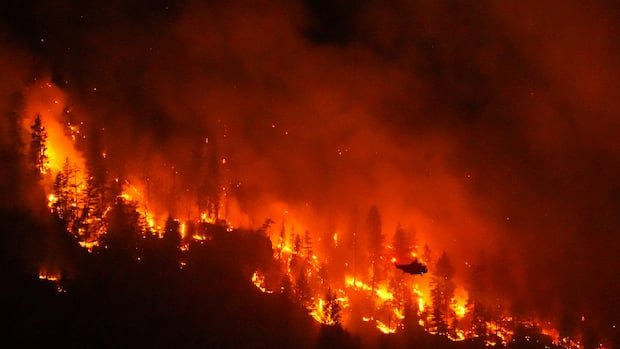
Of particular relevance is the impact on Canada, a nation with a substantial share of warming-induced emissions. The study underscores that changes occurring in Canada will not only affect the local environment but also have far-reaching consequences on global climate dynamics. It draws attention to the aftermath of extreme weather events, such as the record-breaking 2023 wildfire season in Canada, which released an unprecedented one billion tonnes of carbon, positioning the wildfires as a major global emitter.
As a vast northern country, Canada is experiencing accelerated warming compared to the global average. The country’s Changing Climate assessment predicts a potential five-degree temperature rise by the end of the century, signaling profound transformations in ecosystems and landscapes. The study underscores the necessity for enhanced research efforts to monitor and mitigate the escalating impacts of climate change, particularly in regions like Canada where feedback mechanisms are at play.
The thawing of permafrost, attributed to rising Arctic temperatures spurred by global warming, is a critical factor driving these feedback loops. Unlike gradual thawing processes observed previously, the study highlights the significance of abrupt permafrost thaw events triggered by extreme weather events like wildfires and heavy rainfall. These abrupt thaws, occurring locally in wetland and lake perimeters, have the potential to release substantial amounts of carbon into the atmosphere, exacerbating climate change.
Moreover, the methane emissions from wetlands, prevalent across Canada, present another significant source of warming-induced emissions. Scientists have noted a surge in methane levels in the atmosphere since 2020, prompting a closer examination of wetland methane production. The study advocates for the inclusion of freshwater wetlands in climate models to better understand and address the growing environmental concerns. Warmer temperatures and changing environmental conditions are accelerating microbial activity in wetlands, leading to increased methane emissions and necessitating a comprehensive approach to tackle this environmental challenge.