
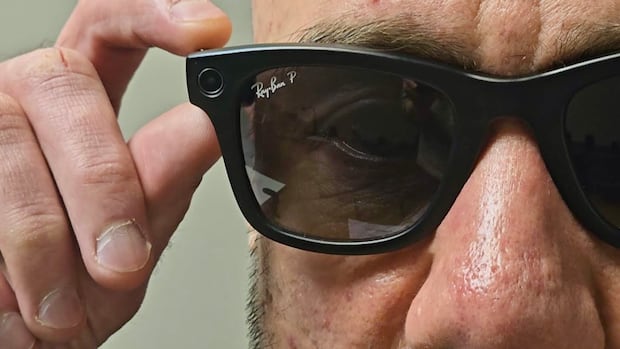

Visiting a park, enjoying a beach day, or hitting the gym — all activities taking place in public venues where smart glasses have the capability to capture images, record audio, or broadcast video online without the knowledge of those within their view.
The Norwegian government is aiming to address the benefits and risks associated with AI glasses, proposing a temporary prohibition on their use in certain locations to parliament.
This initiative reflects a growing apprehension in various nations regarding emerging technologies that are significantly altering everyday life. Several governments have restricted social media access for children and adolescents.
Norway’s administration announced that the proposal for this temporary ban will be presented to the Storting, the Norwegian parliament, “as soon as possible.”
Finding the Right Balance
Officials in Norway assert that a ban on smart glasses could be relevant in settings where “privacy is of utmost importance,” such as healthcare facilities or gyms that have changing areas and showers. Special attention is being given to locations where children are present, including schools, daycare centers, playgrounds, and youth clubs.
However, the ban could also encompass public events like concerts and sporting activities, in addition to parks, beaches, museums, and retail spaces.
Implementing a temporary ban would allow regulatory bodies to evaluate which devices might be impacted and to discuss the necessity of more permanent regulations. The government clarified that it is not advocating for an outright ban, suggesting that such devices could still be permitted in specific environments and for personal use.
Additionally, the government mentioned it is contemplating exceptions to the ban for vulnerable populations, allowing for “socially beneficial uses” of smart glasses under certain circumstances.
-
Should municipalities ban smart glasses in pools and change rooms?
-
Kids and young adults are addicted to screens. New research argues it may be a public health concern
Privacy Advocates Applaud Norway’s Initiative
Adam Smith, a technology advocacy officer with Privacy International in the UK, expressed that Norway’s action is “a positive step towards safeguarding against the insatiable data collection practices of large tech companies, often disregarding the privacy and rights of individuals.”
He stated, “No one should have to live with the expectation of being monitored in their daily activities.”
An attempt to regulate AI glasses has faced challenges in California, the heart of Silicon Valley.
Last week, California’s governor vetoed a bill that would have imposed penalties for recording individuals without their consent in private areas such as changing rooms and doctors’ offices.
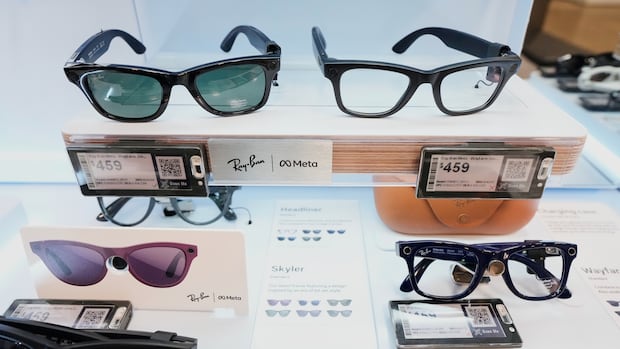
Meta’s new AI smart glasses are causing a stir among celebrities and consumers. CBC’s Ian Hanomansing and Baneet Braich break down why they’re so divisive, and whether or not they’d buy a pair.
Businesses Tighten Control Despite Meta’s Promises
Meta, the parent company of Facebook, WhatsApp, and Instagram, which has launched AI glasses in collaboration with Ray-Ban, advocates for privacy and provides guidance on responsible usage of the glasses.
“Be mindful of others’ preferences. Not everyone appreciates being photographed. If someone indicates they prefer not to be recorded, please stop,” Meta advises on its website.
The tech giant from Menlo Park, California, claims that a light on the glasses signals when recording is active, and if the light is obstructed or tampered with, the camera shuts off automatically.
However, despite these guidelines, several privacy advocates have noted a rising backlash against AI glasses.
Hans Anders, a well-known eyewear retailer in the Netherlands, has halted the sale of Ray-Ban Meta glasses.

Tech giants like Meta, Google, and Snap are betting that smart glasses will be the next must-have gadget. For The National, CBC’s Nora Young explains how AI is expanding the possibilities of wearable tech — while also creating new challenges.
“This decision comes amid ongoing public and political discussions regarding smart glasses and the queries surrounding the acceptable use of this technology,” Hans Anders stated, indicating that the company plans to wait for the discussions to conclude before reaching a final decision.
In the UK, the UK Cinema Association announced in August that it would implement policies to ban or limit the use of camera-equipped smart glasses, citing privacy concerns and the risk of film piracy associated with such devices.