
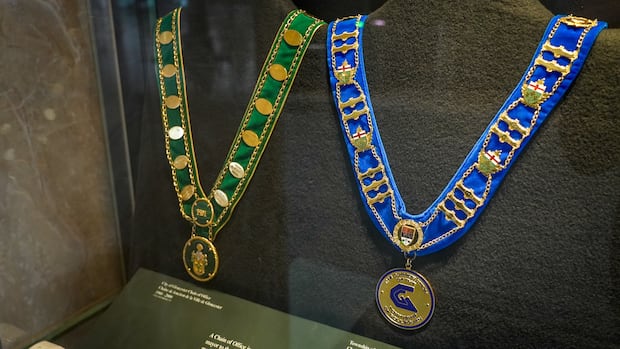

Claudette Cain vividly recalls her final council meeting as the mayor of Gloucester. Her position was set to be dissolved on January 1, 2001, when the newly formed megacity of Ottawa would incorporate her municipality. She removed her chain of office and entrusted it for safekeeping.
“I can still remember taking it off my head and tears streaming down my face,” Cain reflected.
Janet Stavinga also had to relinquish her chains and the historic seal of her community. As the last mayor of Goulbourn Township, she became the first councillor for the new City of Ottawa. She reminisces about the day in early January when she took the oath at the National Arts Centre.
Flags representing 11 cities and townships, along with the Regional Municipality of Ottawa-Carleton, were suspended from the ceiling, raised one by one into the gloom above.
“It was a very somber moment… as we watched our flags fade away,” Stavinga recounted.
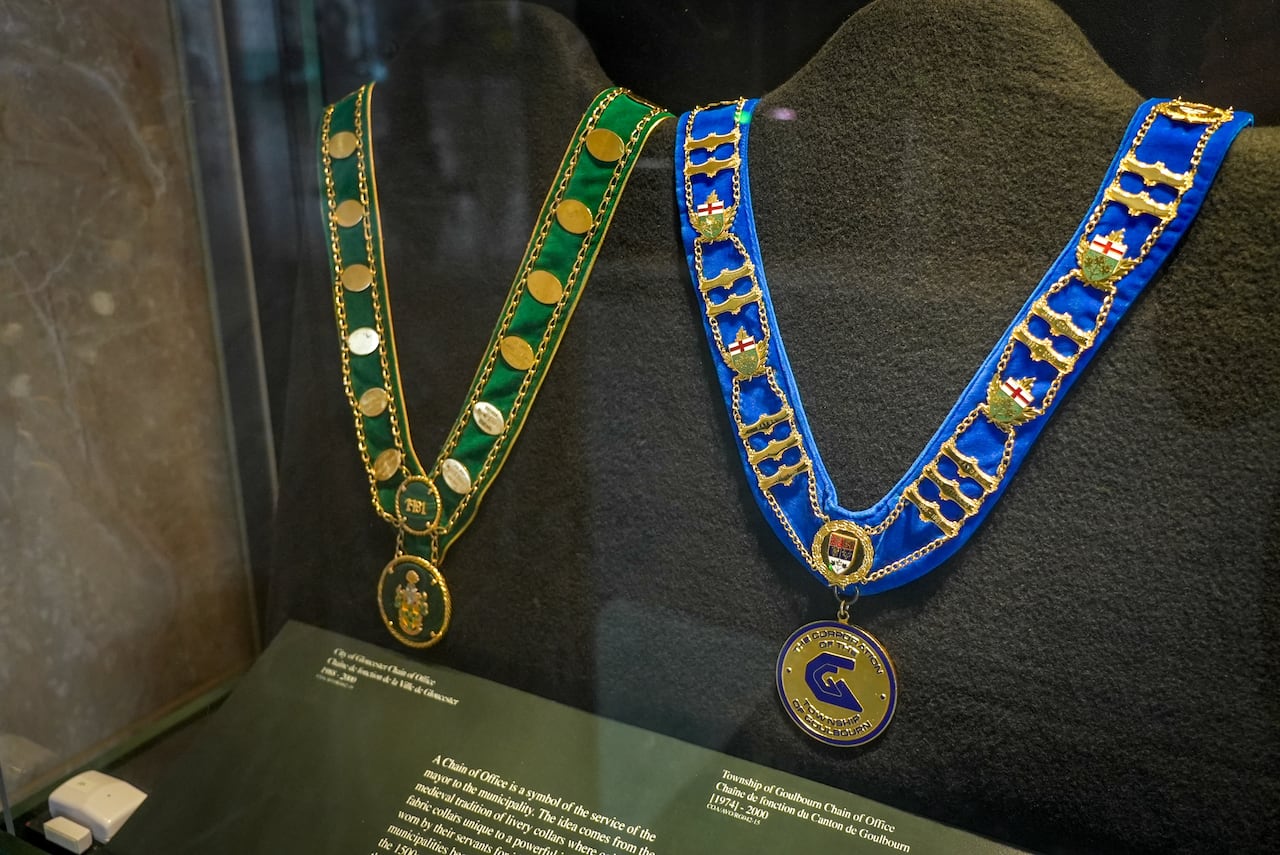
The chains of office used by mayors of Gloucester, left, and Goulbourn, right, are now displayed at Ottawa city hall. (Mathieu Deroy/CBC)
Now, 25 years later, opinions remain divided on whether the amalgamation was beneficial. Jim Watson, who was the last elected mayor of the former City of Ottawa before later leading the new city, believes amalgamation has resulted in a more robust and vibrant urban center.
“It was a difficult choice, but the right one at the time, and I still stand by that,” Watson stated. “Having one unified voice is advantageous.”
However, amalgamation faced strong opposition. Leaders from Gloucester to Goulbourn fought to preserve their communities and maintain local government proximity to residents.
Today, many of these leaders feel justified in their resistance, continuing to view amalgamation as a blunder.
“I consider it a failure,” asserted Mary Pitt, the last mayor of Nepean.
‘We tried our damnedest to fight it’
Prior to amalgamation, residents in the Ottawa area were governed by two tiers of local administration.
An upper-tier regional authority provided around 80% of services, including transit, ambulance services, and main roads, while 11 local municipalities managed other streets, fire services, parks, recreation, and libraries.
Each municipality had its own council and administrative body. Many, such as Gloucester, Kanata, Nepean, Goulbourn, and Ottawa, even operated their own hydro services.
In the late 1990s, the Mike Harris government initiated forced mergers of municipalities, claiming it would result in significant savings from more streamlined cities with fewer feuding politicians.
Toronto experienced its amalgamation in 1998, merging six municipalities. The following summer, the province announced further amalgamations would take place, including in Ottawa.
Watson was supportive of a large city encompassing both old Ottawa and its suburbs, though it was uncertain whether the rural townships would be included.
Cain and Pitt opposed this notion. Their municipalities were financially stable, with Nepean proudly advertising: “We’re debt-free!”
They were reluctant to allow their financial reserves to be used to offset the debts of the old City of Ottawa.
“We fought tooth and nail against it,” Pitt said. “We had all this money, and we were forced to give it away.”
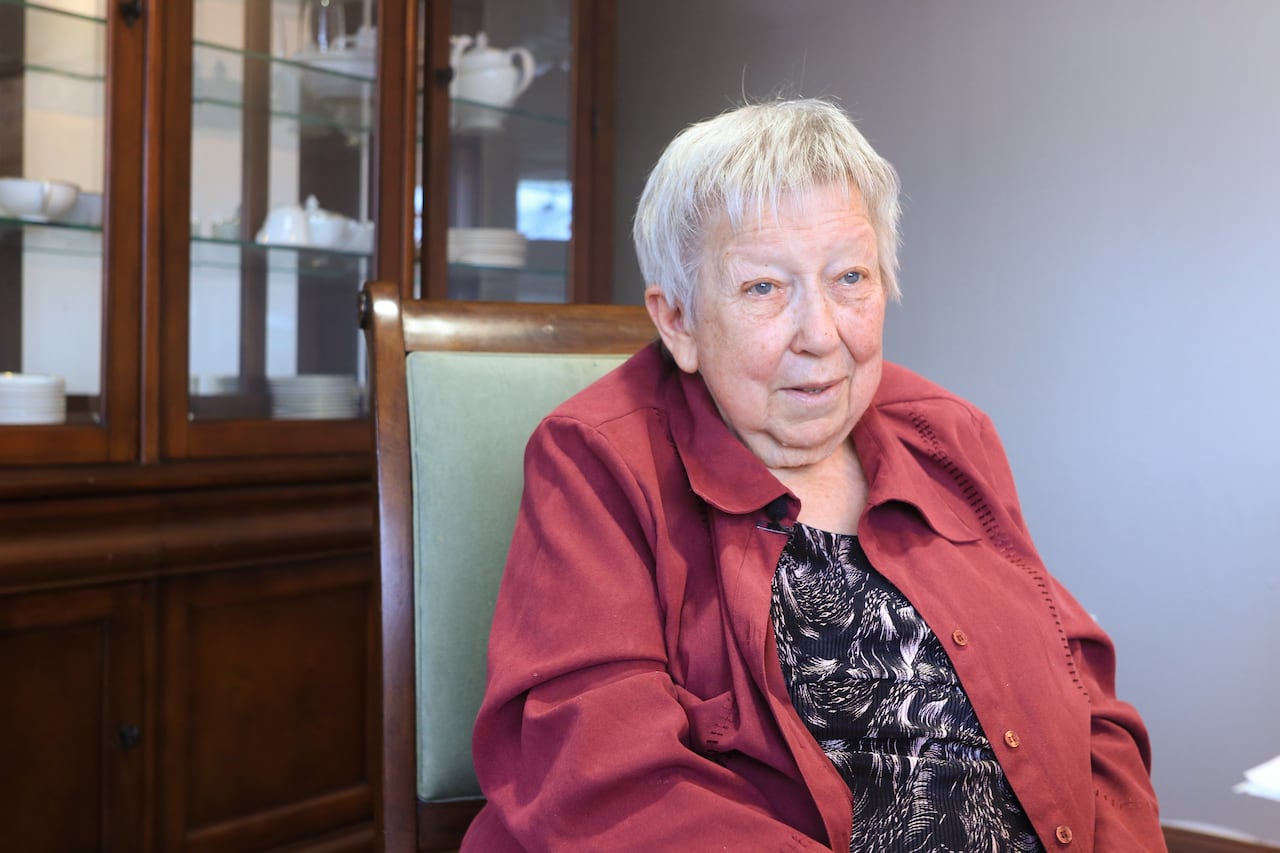
Mary Pitt, the final mayor of Nepean, labels amalgamation a failure but acknowledges that reversing it would be too complex now. (Arthur White-Crummey/CBC)
Opponents proposed a three-city structure that would merge Nepean with Kanata and Gloucester with what is now Orléans and Cumberland, allowing Ottawa to incorporate Vanier and Rockcliffe Park.
Pitt believed these new cities would be small enough for politicians to remain connected to their constituents.
Stavinga advocated for the independence of the four townships, proposing a “rural alliance” for shared services while collaborating with the new, larger Ottawa.
She recalls the “rainy, wet, dark day” in November 1999 when she learned that the province’s special adviser had dismissed her proposal and the three-city concept, opting instead for a single megacity that extended to the outskirts of her township.

Ottawa city hall is shown here in 2020. (Francis Ferland/CBC)
The new Ottawa would surpass Toronto, Montreal, Calgary, Edmonton, and Vancouver combined.
“It was a forced amalgamation,” Stavinga remarked. “We were dragged in against our will.”
She took a gloomy drive back to the township building, nestled among rural properties and a forest.
“I had to halt my car because a flock of wild turkeys was crossing the road and causing a traffic jam,” she recalled. “And I thought to myself, welcome to the City of Ottawa.”
Did the savings ever materialize?
The Ottawa Transition Board was responsible for establishing the new City of Ottawa. The province appointed its members in early 2000, and they began reorganizing the city’s administration and hiring senior staff.
In their final report, the board projected that amalgamation would ultimately save taxpayers $86.5 million annually and enable the city to decrease its workforce by 1,100 employees.
Critics argue that these savings never materialized.
“It’s now costing them more than if they had left us alone, because we knew how to manage our finances,” Pitt asserted.
Taxes initially decreased, with the city estimating a 10 percent reduction for 2001. However, this was merely an average, benefiting some municipalities more than others. Goulbourn, having the lowest taxes in the region, did not see any advantage.
“We had nowhere to go but up,” she added.
Beginning in 2004, taxes began to rise again, coinciding with the province shifting services onto municipalities. While the workforce remained stable initially, by 2006, it had grown by hundreds of new positions.
However, the population was also increasing, resulting in a slight decrease in the staff-to-resident ratio over that five-year period. There were fewer administrative and support roles but more frontline staff.
The statistics, therefore, leave ample room for discussion.
Watson, who resumed leadership of the city in 2010, found a more efficient operation. He noted that there was reduced duplication and fewer conflicts between competing municipalities.
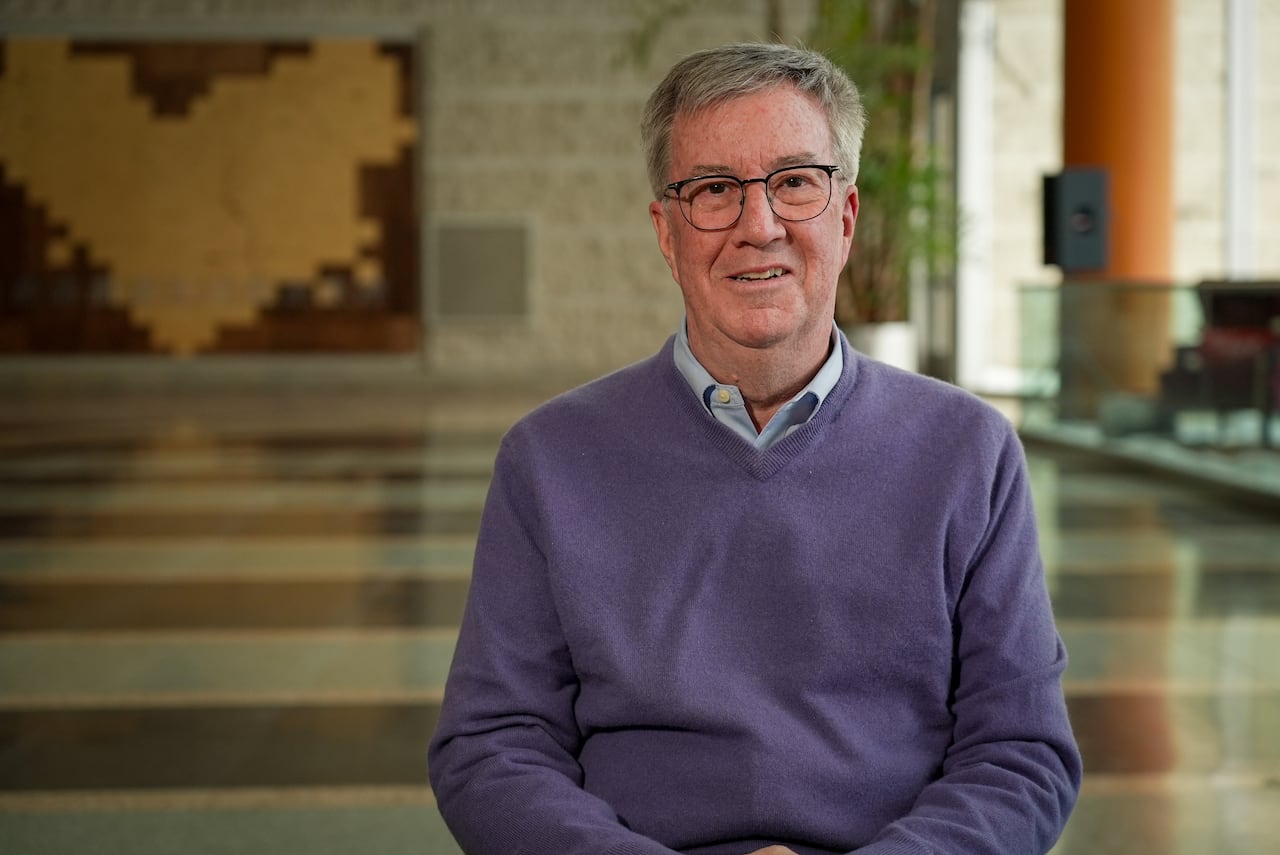
Jim Watson, seen at Ottawa city hall, was mayor of the former City of Ottawa from 1997 to 2000 before becoming mayor of the amalgamated city in 2010. (Mathieu Deroy/CBC)
In his opinion, amalgamation did yield savings — albeit gradually. However, there were also one-time expenses, including severance payments, with only part of the costs covered by the province.
Amalgamation provided the new city with opportunities to offload properties, such as Kanata City Hall. It generated $72 million from selling Ottawa’s old city hall on Green Island to the federal government.
“Overall, I believe citizens gained from it,” he commented.
Did that financial benefit translate into improved services? Watson argued that amalgamation led to better libraries and recreational facilities in rural regions.
However, Stavinga noted that snow removal services were not as efficient as they once were.
“Goulbourn Township’s snow clearance was exceptional, but our service level was so high it couldn’t be replicated across the entire City of Ottawa, resulting in a decrease,” she explained.
“Goulbourn paid the price.”
‘One small cog in a very big wheel’
Pitt claimed that Nepean also incurred significant costs, amounting to tens of millions of dollars. Following amalgamation, Nepean residents initiated a petition campaign to retain their financial reserves. Ultimately, they received only a fraction, with some funds allocated to improving boulevards and parks in the area.
Additionally, Pitt highlighted another cost: the erosion of local democracy.
“It’s now more challenging to reach your councillor. It’s harder to connect with the mayor. You can’t simply walk into Mark Sutcliffe’s office and say, ‘I want to see Mark.’ No,” she remarked.
“People used to walk into my building and ask, ‘Is Mary here?’ … It’s not like that anymore. You lose that intimacy.”
Rideau-Jock Councillor David Brown shares this sentiment. Although he was only 11 when amalgamation occurred, he still feels a strong connection to Goulbourn Township, which Stavinga once led and is part of the extensive ward he currently represents.
“I’m a Goulbourn boy,” he stated. “I live in Richmond; I don’t live in Ottawa.”
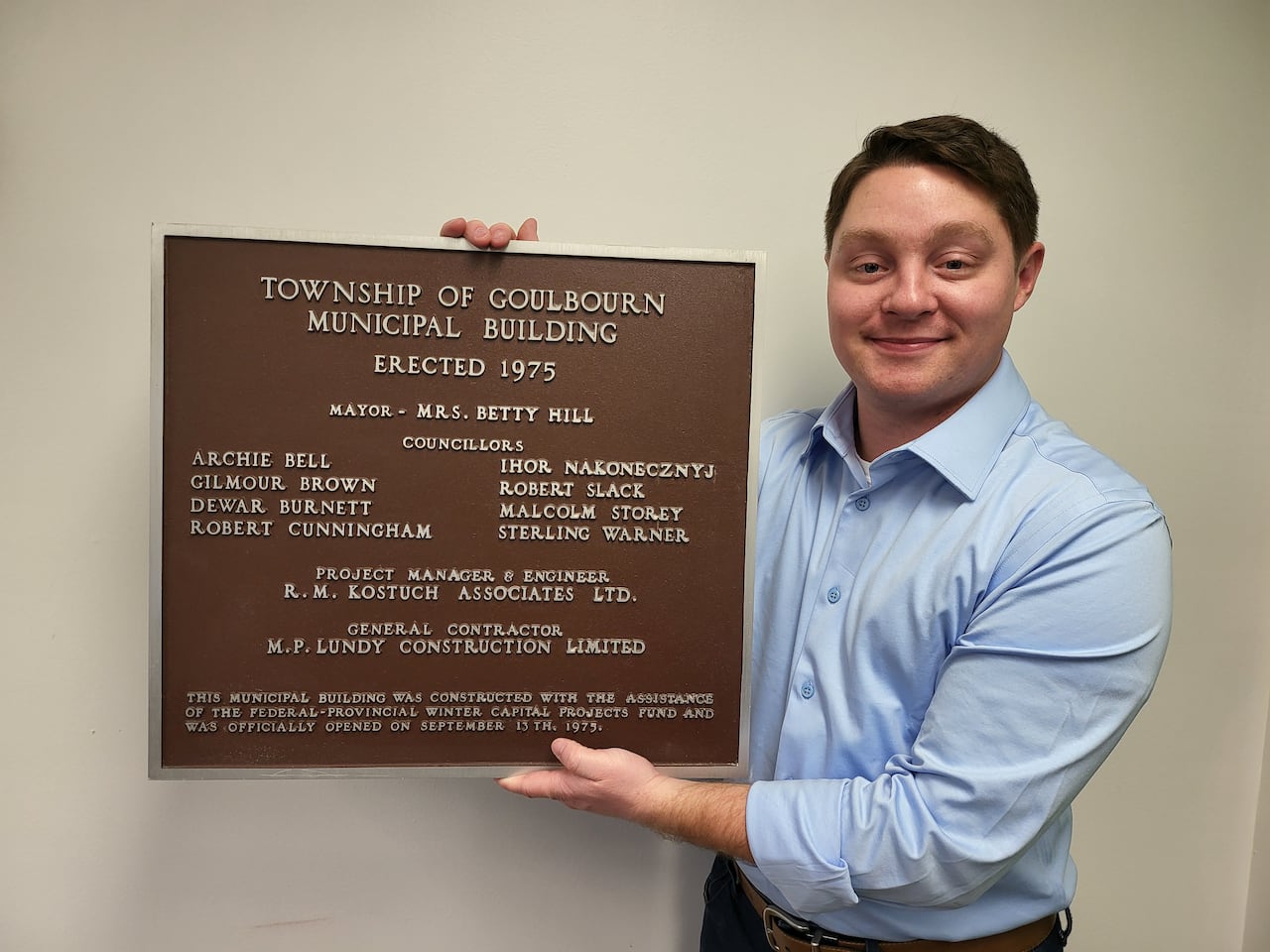
Rideau-Jock Councillor David Brown holds the plaque that once adorned the Goulbourn Township hall before its demolition. (Office of David Brown)
When the old township hall was demolished in 2023, he personally removed the plaque to save it from the landfill. It now resides in his office.
He feels that the rural perspective has been overshadowed in the larger city.
“I am handling the responsibilities that used to be managed by 10 elected officials. I now represent two former townships and a small section of the old City of Nepean. And it’s just me,” he expressed.
Brown remarked that he is “amazed” at how straightforward it is for politicians in nearby rural municipalities like Mississippi Mills or North Grenville to accomplish tasks for their communities.
“I function as one small cog in a very large wheel, while they operate as the main cog in a smaller wheel,” he noted.
Is there any going back?
There was once an active movement advocating for de-amalgamation. Clive Doucet, a former city councillor for Capital Ward, held a public meeting in 2009 to promote the concept. He asserted that downtown councillors were frustrated by the majority, which included rural councillors who did not share their interests.
In rural Ottawa, the Carleton Landowners’ Association conducted public meetings in the mid-2000s and displayed signs throughout rural Ottawa advocating for “Carleton County — Yes!”
However, most of those signs have since disappeared.
Tom Black, who held a leadership role in the association during the campaign and later became its president, continues to assert that amalgamation was a misguided decision.
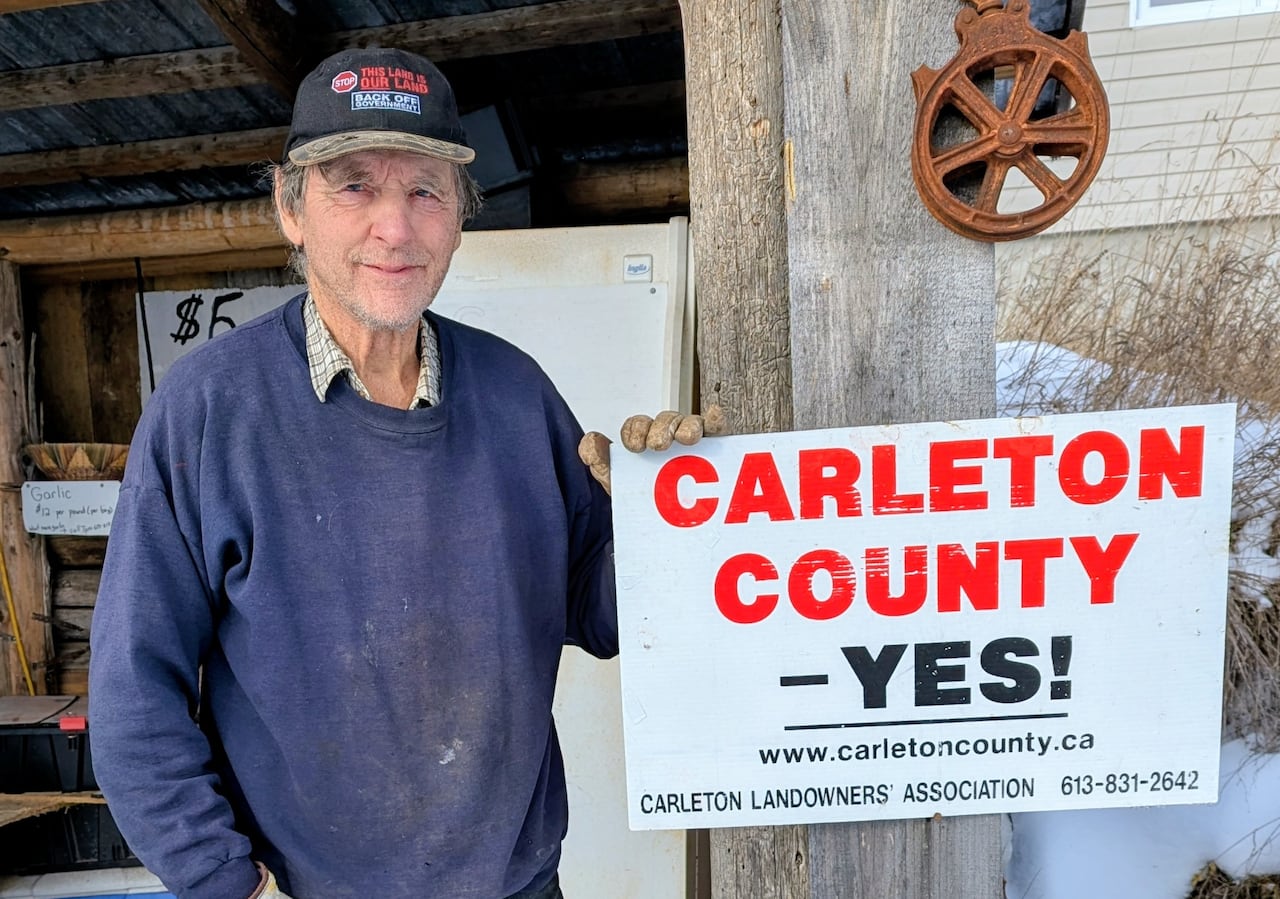
Tom Black, former president of the Carleton Landowners’ Association, stands with one of the group’s signs. (Submitted)
However, he believes there is nothing left to fight for now. The township office is gone, along with the entire local government structure.
“I don’t think it could ever revert to what we once had,” Black stated. “I believe it would be nearly impossible to reconstruct it.”
Watson remarked that de-amalgamation would incur exorbitant costs, and the province would never permit it.
“The calls for returning to the old days are not as prevalent anymore,” he noted.
Pitt is not advocating for a separate Nepean. At this stage, she sees little likelihood of recovering her city’s finances.
“How do you divide these cities again? ‘No, that part was mine. No, I should have that section of the city,'” she said. “It would just lead to endless disputes.”
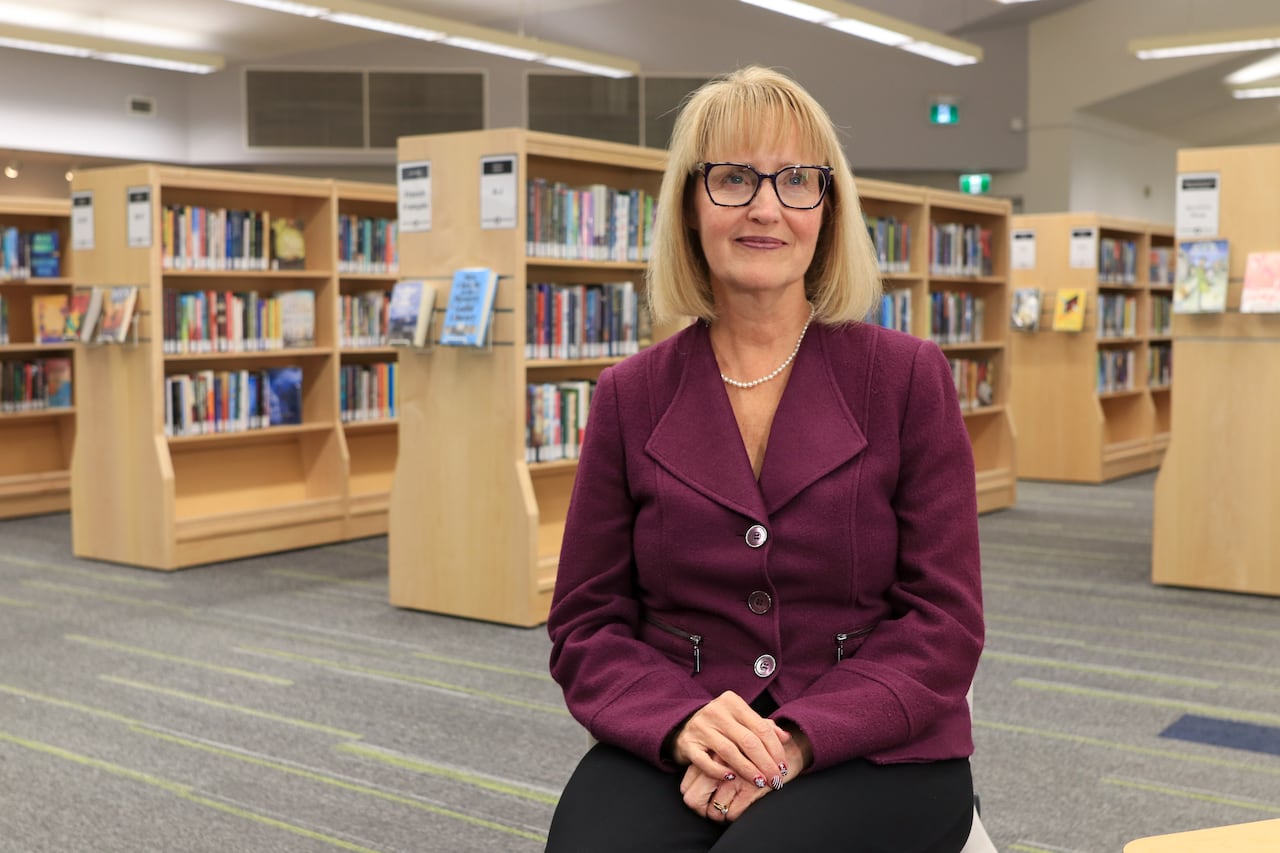
Janet Stavinga, the last mayor of Goulbourn Township, later became the area’s first councillor in the amalgamated City of Ottawa. She is pictured in the Stittsville branch of the Ottawa Public Library, formerly in Goulbourn. (Arthur White-Crummey/CBC)
Stavinga believes that the costs would be astronomical, and it’s preferable to focus on enhancing the current democratic processes.
“The page has turned on this matter,” she concluded.
Brown mentioned that he still hears calls for de-amalgamation within his community.
“It’s still present,” he affirmed. “I hear it weekly, and there are days when I’ve voiced it myself due to frustration with the city or how an issue is being handled.”
He acknowledged that there could be various advantages, but it would not be a straightforward process.
“We would need to dismantle 25 years of this complex web,” he said.
Brown also noted improvements are being made. He pointed to a rural summit that secured commitments regarding drainage, ditches, and paramedic services, along with the increased influence of the rural affairs committee that he now chairs.
“We’re beginning to realize that it’s acceptable to have different policies for various areas of the city,” he stated. “But I believe it has taken us 25 years to reach this point.”