

It is now confirmed: Paramount, owned by Skydance, has finalized its acquisition of Warner Bros. Discovery for $81 billion.
The agreement was completed on Tuesday, marking the emergence of a formidable new player in Hollywood, now known simply as “Skydance.”
This merger unites two of the longest-established film studios in the United States — bringing HBO Max, along with franchises like Harry Potter and Sinners, and networks such as CNN together with Paramount+, CBS, and hits like Top Gun and The Godfather.
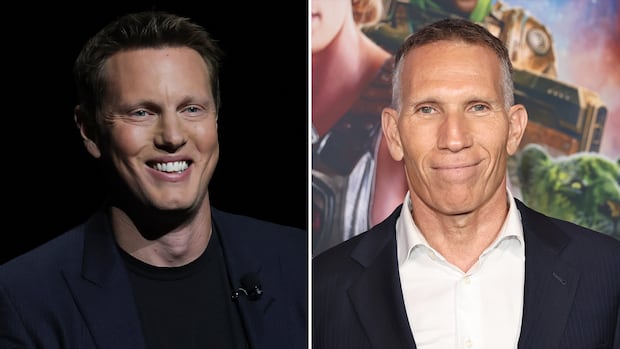
Billionaire David Ellison will lead the newly formed entity, with Ynon Kreiz, formerly of Mattel, serving as co-CEO, further consolidating authority in an industry already dominated by a few major firms.
Effects on Canadian Streaming
Ellison has indicated plans to eventually merge Paramount+ and HBO Max into a single streaming platform.
Currently, in Canada, HBO content is exclusively available via Bell Media on Crave, while Rogers has a licensing agreement for Discovery content, and Corus holds rights to certain Paramount titles, including those from the Cartoon Network.
These agreements span multiple years, and while their expiration dates remain unknown, it suggests that the streaming landscape in Canada will likely remain unchanged for the foreseeable future.
While Skydance may aim to streamline its streaming offerings in the U.S., experts like Stephen Zolf, a partner in the competition and communications division at Aird & Berlis in Toronto, argue that such a move may not be economically viable in Canada.
“We are a relatively small market compared to the U.S.,” he stated to CBC News. “If you are the rights holder for programming, it may make more financial sense to keep it in Canada with a broadcaster like Crave, as they generate substantial revenue.”
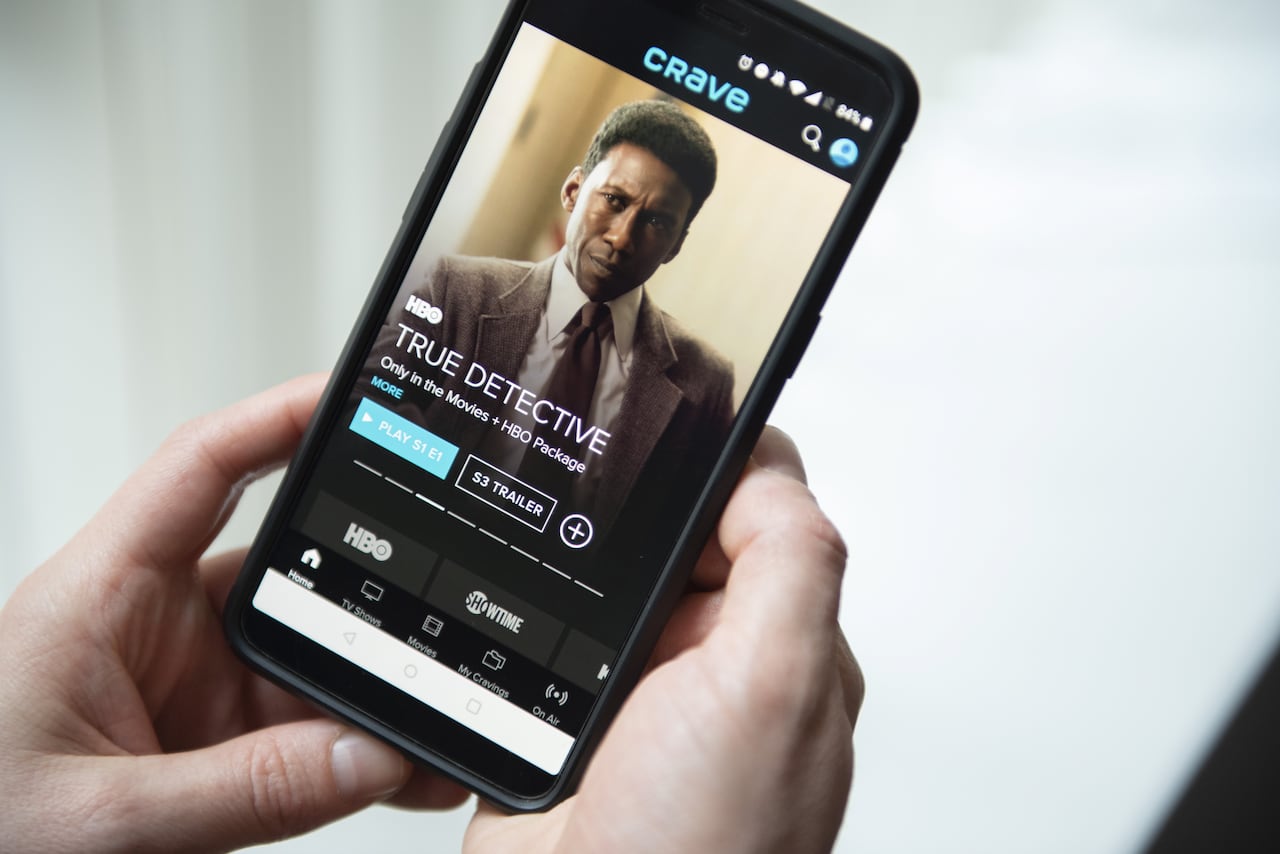
Bell Media asserts that Crave remains the exclusive home for HBO and HBO Max programming in Canada due to a long-term agreement with Warner Bros. Discovery. (Graeme Roy/Canadian Press)
While the availability of streaming services may not change, prices are projected to increase, according to Mike Proulx, vice president and research director at Forrester, a market research and advisory firm.
“We have observed numerous price hikes over the past five years, as every significant streaming service strives for profitability,” he noted to CBC News.
“Thus, you can anticipate that whatever configuration Skydance ultimately adopts… it will likely lead to increased prices to enhance profitability and address the debt the company will need to manage.”
Skydance Commits to More Films
As part of a settlement agreement with U.S. states opposed to the merger, Paramount has committed to producing at least 30 films annually for the next two years and to distribute them in theaters.
Additionally, it has agreed to release 32 films in each of the three subsequent years, though only half of those films need to be “produced or jointly produced” by the merged entity.
This development may spell trouble for fans of independent films, according to Keldon Bester, executive director of the Canadian Anti-Monopoly Project, who is particularly concerned about what will occur in the medium term after this five-year commitment concludes.
“We know that the film industry will continue to evolve well beyond that,” he remarked.
“From a consumer standpoint, I believe there will be a continuation and intensification of a trend toward fewer films being released. And when films do come out, they will likely be limited to major tent-pole productions.”
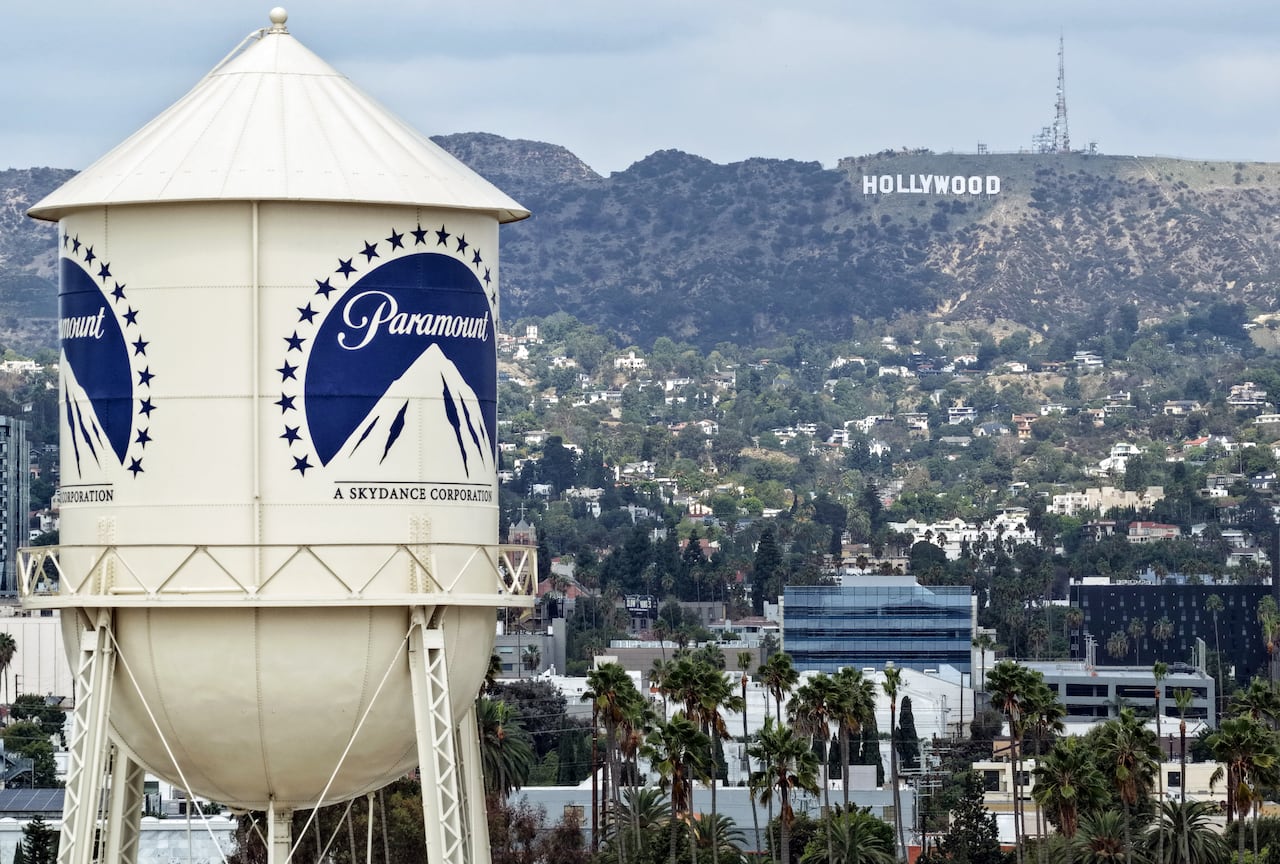
An aerial perspective of the Paramount logo on the water tower at Paramount Studios in Los Angeles, California. A state-led antitrust lawsuit challenging the merger of Paramount Skydance and Warner Bros. Discovery was declared settled in September, removing a significant legal obstacle for the transaction. (Mario Tama/Getty Images)
Challenges for Canadian Production
In the immediate term, Paramount’s vow to increase film production may not translate to more opportunities for Canadian actors, directors, and film crews.
The organization has also promised to boost its film production budget in the U.S. by at least an extra $1.5 billion over the next five years.
Furthermore, Skydance has already indicated the necessity to identify cost-saving measures, and a report from Variety suggests that some of these savings will come from job cuts.
A report released by Los Angeles County in August estimates that the merger could lead to the loss of 4,500 film and television jobs in L.A. alone over the next three years.
Bester believes this trend will result in reduced job prospects in Canada as well: “We should anticipate a more intense competition over where production actually happens as this market continues to shrink.”
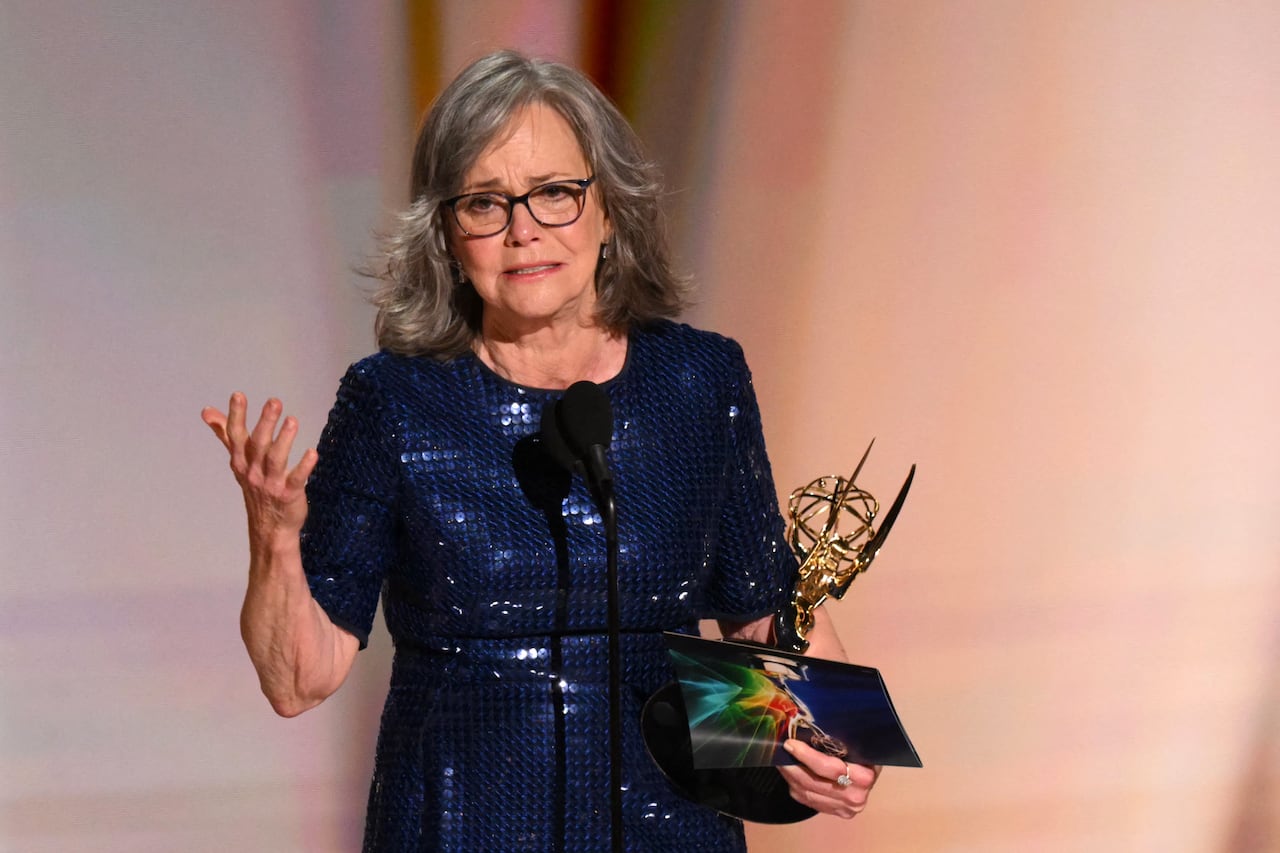
Actor Sally Field expressed her concerns regarding the Paramount-Warner deal during her acceptance speech at the Emmys in September. (Patrick T. Fallon / AFP/ Getty Images)
Hollywood’s Reaction
In April, a large number of movie stars, writers, directors, and industry professionals publicly declared their “unequivocal opposition” to the Paramount-Warner merger.
The open letter, which garnered signatures from vocal critics of the merger such as Jane Fonda and Mark Ruffalo, as well as Hollywood luminaries including Canadian director Denis Villeneuve and J.J. Abrams, warned of job losses and “less choice for viewers in the U.S. and worldwide.”
Conversely, some stars rallied behind Paramount as Ellison reiterated his dedication to filmmaking.
At CinemaCon earlier this spring, the company showcased an impressive mini movie about the studio directed by Jon M. Chu and narrated by Tom Cruise — who concluded the presentation atop the iconic Paramount water tower, declaring, “the future is paramount, and it looks quite promising from here.” Director James Cameron also reaffirmed his support for Ellison.
When accepting her Emmy last month, Remarkably Bright Creatures actress Sally Field — who also signed the open letter opposing the Paramount-Warner merger — emphasized the importance of “unique storytelling” and asserted that “we cannot allow those voices to be silenced, compromised, or merged.”
Trump and CNN
U.S. President Donald Trump has consistently criticized reporting he considers unfavorable from CNN, even attempting to exclude the network from the White House altogether. Throughout the Warner acquisition process, his administration was vocal about its hopes for a new owner.
In December, just days after Paramount made its unsolicited offer for Warner, Trump characterized CNN as spreading “poison and lies,” stating that “the people who have been managing CNN for an extended period are a disgrace” and “it is essential that CNN be sold.”
In March, the White House targeted CNN again regarding the network’s coverage of the U.S.-Israeli conflict with Iran. At that time, Secretary of Defense Pete Hegseth remarked that “the sooner David Ellison takes control of that network, the better.”
Ellison has assured that CNN will maintain its editorial independence, and the company has also agreed to establish a “News Editorial Independence Board.”
However, critics reference the issues already faced at CBS under Skydance’s ownership and are skeptical that this new board will bring significant change, given Ellison’s extensive oversight over appointments. Nevertheless, the combined company is retaining Mark Thompson as editor-in-chief of CNN.
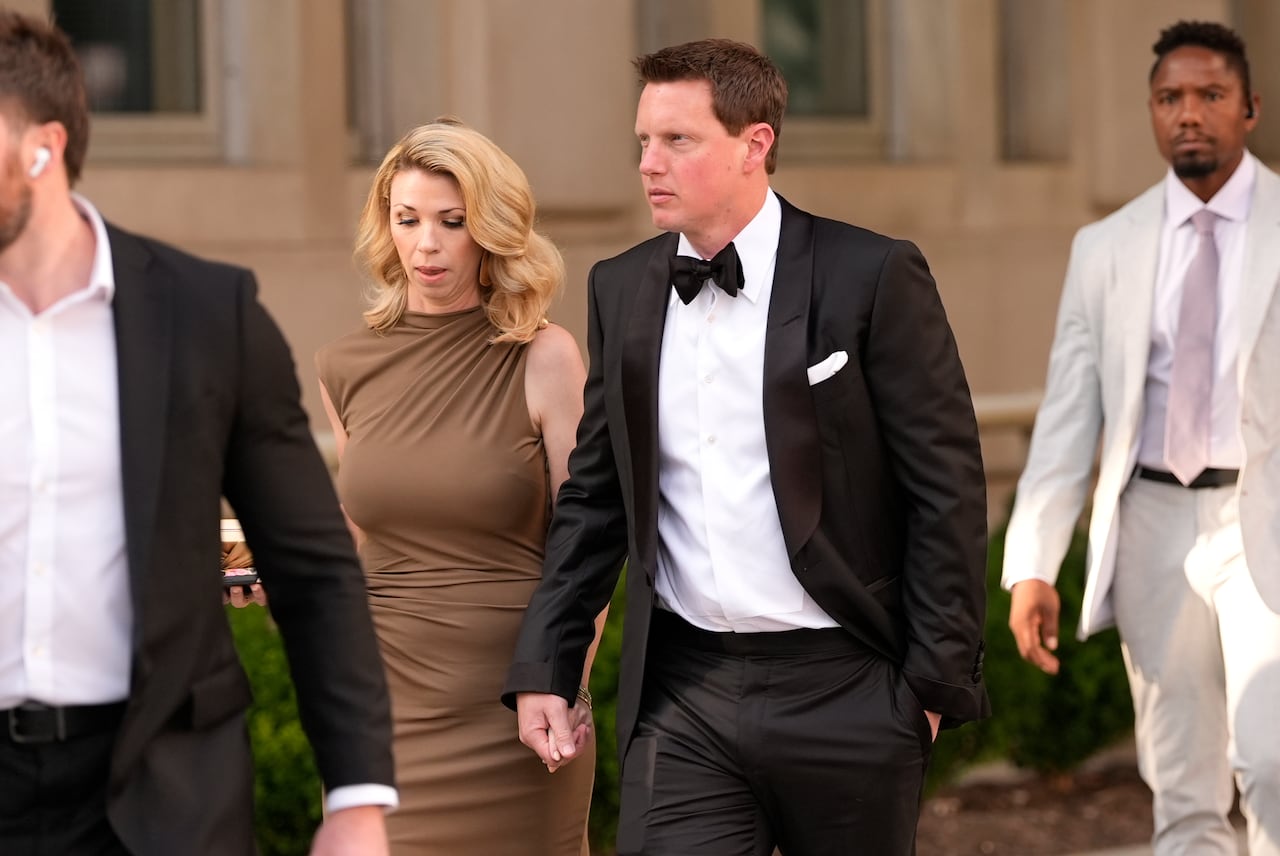
David Ellison, right, and his wife Sandra Lynn Modic walk to the White House for a state dinner honoring China’s President Xi Jinping, last month in Washington. (Carolyn Kaster/The Associated Press)
Trump has maintained a long-standing relationship with the Ellison family.
The chief of Paramount reportedly hosted a dinner in Washington in honor of Trump back in April, coinciding with the day Warner shareholders approved the merger.
Moreover, in June, just two days after the U.S. Justice Department announced it would not intervene in the deal, Ellison attended a UFC event held on the White House lawn for Trump’s 80th birthday (which was streamed on Paramount+).