
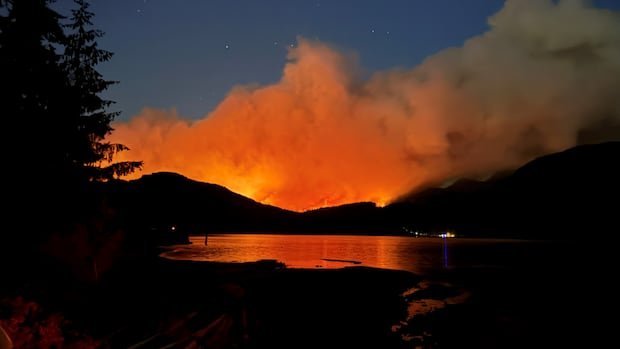

Wildfire experts are cautiously optimistic about the upcoming wildfire season in Canada, with concerns lingering due to persistent drought conditions and a warm summer on the horizon. Mike Flannigan, a renowned wildfire expert, views this year as a critical test to determine if Canada’s wildfire seasons, increasingly impacted by human-induced climate change, have transitioned into a new norm of heightened fire activity.
Traditionally, forecasting wildfire seasons in Canada remains challenging due to unpredictable factors like lightning strikes and rapidly changing weather conditions. However, experts like Flannigan can identify certain indicators that signal potential wildfire risks. Areas of concern include regions that emerged from winter with abnormally dry or drought conditions, such as British Columbia’s southern Interior, northern Manitoba, and eastern Northwest Territories.
Long-term weather forecasts predict above-average temperatures across much of Canada in the coming months, with the likelihood of El Niño conditions developing during the summer. Despite some regions already experiencing wildfire-conducive conditions, overall, the country is in better shape compared to previous severe fire seasons. While some areas like southern B.C., southern Alberta, and southwestern Saskatchewan are showing early signs of heightened fire risk, others, especially in the northern regions, have benefited from a deep snowpack due to a stormy winter.
The consecutive severe fire seasons in Canada are attributed to accelerating climate change, resulting in longer and more intense wildfire seasons. The warming atmosphere increases the risk of droughts and heat waves, turning forests into potential fire hazards. Furthermore, Canada’s managed forests have begun releasing more carbon than they absorb, contributing to a harmful climate feedback loop.
Wildfires not only pose immediate risks to communities but also have long-term health and economic impacts. Smoke exposure during wildfires has been linked to significant health risks, with studies estimating thousands of premature deaths and substantial economic costs due to reduced productivity and healthcare expenses.
As the country braces for the upcoming wildfire season, experts emphasize the importance of vigilance and proactive measures to reduce wildfire risks. Simple actions like ensuring campfires are fully extinguished and being cautious in dry vegetation can help mitigate the threat of wildfires during the spring season.