

Canadian Space Agency astronaut Joshua Kutyrk is scheduled to launch from Cape Canaveral, Florida, on October 1, carrying advanced Canadian technology on his mission. Living and working in space poses risks due to the human body’s challenges in low gravity, such as the development of potentially harmful blood clots.
NASA has a keen interest in ensuring the well-being of astronauts aboard the International Space Station (ISS) and has been exploring ways to mitigate health risks associated with extended space travel. To address this concern, they have partnered with Vancouver-based Response Biomedical to develop innovative technology.
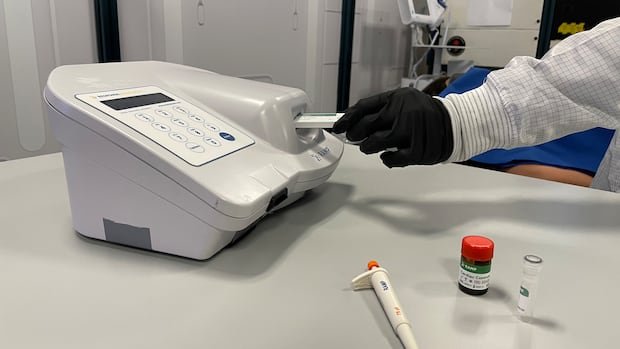
One key device, known as Acute Care Testing in Space (ACTIS), is derived from Response Biomedical’s existing RAMP technology. ACTIS is capable of detecting D-dimer levels in the blood, a crucial indicator for monitoring astronaut health. This device can swiftly identify blood clots, signs of heart attacks, and even screen for viruses like COVID-19 and RSV.
The efficiency of ACTIS lies in its ability to deliver rapid results within minutes, a significant improvement over traditional testing methods. This technology not only benefits space missions but also holds promise for enhancing healthcare services in remote terrestrial communities where timely testing is essential.
Response Biomedical’s CEO, Taso Tsonis, emphasized the significance of this Canadian-developed platform being utilized both internationally on the ISS and domestically on Earth. The potential success of ACTIS on Kutyrk’s mission could pave the way for its application in future space exploration endeavors, aligning with NASA’s ambitions for human missions to the moon and Mars.
The selection of ACTIS for the ISS mission is a milestone for Canada, showcasing the country’s technological prowess and contribution to cutting-edge space research. Tsonis highlighted the adaptability and value of Canadian innovation, expressing pride in being part of this progressive journey in space exploration.