
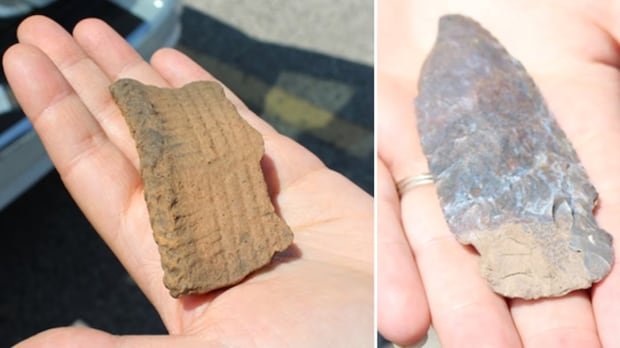

The Ontario government has quietly granted itself the authority to bypass archaeological safeguards on development sites, marking a significant change that places ancient Indigenous history directly under political control. This move has sparked concerns among experts and First Nations, who fear that cultural and burial sites could be at risk of destruction in the pursuit of economic growth.
Previously, Ontario’s archaeological system relied on professional expertise and independent judgment. However, recent modifications to the Ontario Heritage Act under Bill 5 have altered this approach, allowing elected officials to make heritage decisions behind closed doors. Section 66.1 of the revised Act empowers the provincial cabinet to provide broad exemptions from mandatory archaeological assessments for projects deemed to serve “specified provincial priorities,” shifting the authority to protect or potentially damage historical sites from scientific professionals to political authorities.
The government justifies these changes as a means to streamline development and advance key provincial initiatives such as housing and transportation infrastructure while ensuring oversight, preserving Indigenous access to artifacts, and clarifying regulations for developers.
Critics, including First Nations and archaeologists, caution that the legislative revision could result in the inadvertent destruction of significant heritage sites before their discovery, intensify conflicts between developers and Indigenous communities, and undermine Indigenous rights to their own cultural heritage. They argue that relying solely on developers’ due diligence may not be adequate to safeguard vulnerable sites. By bypassing archaeological assessments, developers may encounter unexpected discoveries like ancestral burial grounds, triggering mandatory investigations under the Cemeteries Act and potentially leading to project delays or cancellations.
Moreover, the revised regulations replace the obligation to consult with First Nations on heritage matters with mere notification, a change that Indigenous rights lawyer Aaron Detlor criticizes as a setback to reconciliation efforts and a violation of constitutional rights. Detlor warns that the exemption could escalate land disputes and cites past clashes over archaeological findings, such as the Douglas Creek Estates subdivision conflict in Caledonia, Ontario.
Overall, concerns persist across the industry about the irreversible loss of history, increased project delays, elevated costs for developers encountering burial sites, and the potential for a system vulnerable to corruption and favoritism. Archaeologists stress the importance of efficient review processes and emphasize the need for proper assessments to anticipate and address potential archaeological discoveries, particularly involving Indigenous heritage.
The legislation mandating archaeological assessments dates back to 1983, and studies have shown significant destruction of historic sites in the Greater Toronto Area over past decades. The enduring impact of these decisions is evident today, as seen in instances like the discovery of an Indigenous burial site in Toronto, which halted construction activities for an extended period. Despite these concerns, the Ontario Ministry of Tourism, Culture, and Sport did not respond to requests for comment on the matter.