
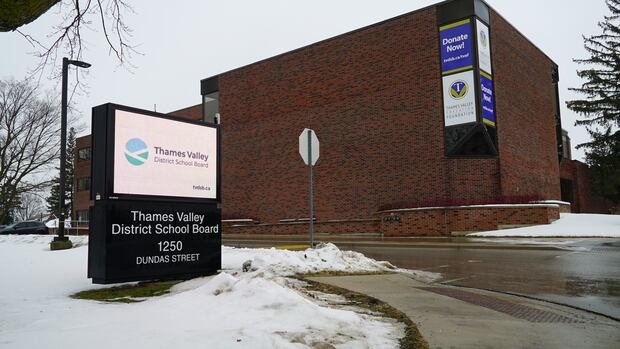

A proposal put forth by the Ontario government requiring Ontario school boards to set up specialized support offices for students and families is being met with skepticism by certain local trustees impacted by the decisions made by the Ford administration.
The main concern expressed by these trustees revolves around the necessity of these offices, as they believe that trustees already fulfill similar roles, the potential financial implications for school boards, and the level of accountability these new offices would have compared to trustees.
The Minister of Education in Ontario, Paul Calandra, recently announced that school boards will be mandated to establish “student and family support offices” to provide parents with a platform to raise concerns beyond the school level. This directive is part of the province’s broader plan to phase out trustees entirely.
In a communication to parents, Calandra highlighted the objective of enhancing the system’s responsiveness and accessibility for families, enabling parents to address issues, seek assistance, and find resolutions promptly.
Marianne Larsen, a trustee at TVDSB, questioned the necessity of these support offices when existing policies and procedures are already in place to handle parental concerns. She noted that trustees play a crucial role as a bridge between the community and schools, advocating for parents and guardians to find solutions, although acknowledging the potential for improvement.
The new offices are set to launch in January at TVDSB and four other boards under provincial oversight due to reported mismanagement. Remaining boards are required to establish similar offices by September 1.
While recognizing the government’s efforts to cater to parental needs, Larsen suggested that a collaborative approach involving boards and trustees would have been preferable to the top-down directive, which could burden school boards financially.
TVDSB’s supervisor, Paul Boniferro, appointed by the province, would oversee the functioning of these offices, ensuring prompt responses to queries within two business days and resolutions within five days.
Trustees argue that the province’s education sector is inadequately funded, leading to financial strain on school boards. Leroy Osbourne, another TVDSB trustee, sees potential benefits in the new offices if coupled with accountability, emphasizing the importance of transparent operations to provide genuine solutions to families.
While uncertainties remain regarding the province’s plan, TVDSB is expected to release additional details on its website by January 19, 2026.
The appointment of Boniferro in April aimed to address financial mismanagement and deficits at TVDSB, prompting the government to take control of the board’s operations and strip trustees of decision-making authority.
The first budget under Boniferro’s supervision revealed escalating deficits at TVDSB, with the 2024-25 deficit nearing $32 million and a projected $10.5 million deficit for 2025-26. Calandra attributed these financial challenges to trustee failures in managing public funds, emphasizing the necessity of placing the board under supervision.
Overall, the implementation of these support offices raises concerns among trustees about accountability, transparency, and financial implications for school boards, amidst the ongoing restructuring of the education system in Ontario.