
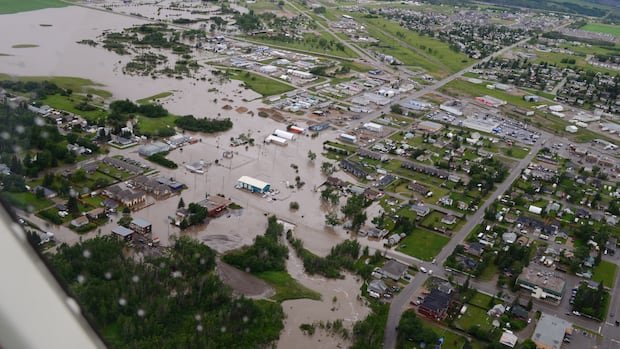

A recent study predicts a warmer and wetter climate future for northeastern B.C., along with an increase in extreme weather events for communities affected by significant natural disasters in the past decade. By the 2050s, average temperatures in the area could rise by up to three degrees, reaching up to five degrees by the 2080s. This shift might make summers resemble those in the Okanagan and January temperatures akin to historical March levels.
The Fraser Basin Council researchers emphasize that these changes will impact various aspects, including infrastructure like roads and water systems, as well as emergency preparedness for floods, wildfires, and evacuations. The study, funded by the federal government, was carried out on behalf of local governments and Indigenous communities in the region, which have faced extreme conditions in recent years.
For instance, severe floods in 2016 damaged the region’s primary road link to the Lower Mainland. Subsequent intense wildfires, notably the historic Donnie Creek fire, have displaced thousands in various communities. Jim Vanderwal, a researcher, highlighted the prolonged recovery periods following such disruptions and emphasized the need for proactive community planning to address these challenges.
In Fort St. John, escalating wildfires have made the city a sanctuary for evacuees, placing a strain on municipal resources and citizen volunteers. City officials, like Milo MacDonald, acknowledge the increasing impact of warmer weather on city operations, particularly noting the harsh effects of more frequent freeze-thaw cycles on infrastructure.
The report also projects a future with twice as many freeze-thaw days in the winter by 2080, posing further challenges for maintenance and resilience planning. Water resources are another significant concern, with expectations of longer growing seasons in summers but more severe drought conditions, potentially leading to water shortages like the one experienced in Dawson Creek last year. Plans for new water supply systems are already in progress to address these vulnerabilities.
Looking ahead, communities need to prepare for more water scarcity instances and invest in resilient infrastructure. The ongoing changes underscore the urgency of adapting to a shifting climate landscape to safeguard the well-being and sustainability of northeastern B.C. residents.