
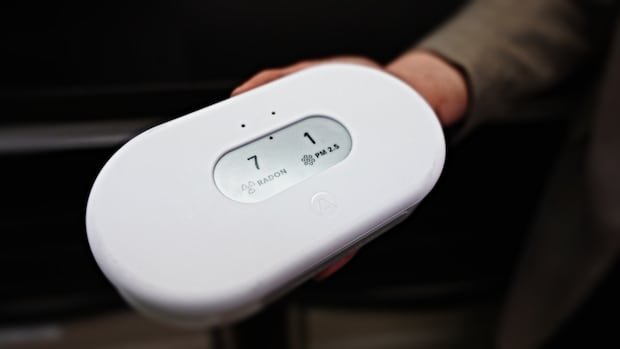

Consumers seeking to assess their home’s radon levels now have a wide array of radon monitors available for purchase, both online and in brick-and-mortar stores. However, experts caution that many of these devices are ineffective. Pam Warkentin, the executive director of the Canadian Association of Radon Scientists and Technologists (CARST), emphasized that numerous Canadians unknowingly install non-certified or unapproved monitors, leading to inaccurate readings. Consequently, individuals are advised to invest in reliable detectors to make informed decisions.
Warkentin highlighted the financial and temporal costs associated with faulty monitors, citing cases where homeowners discovered their devices were recalled only after months of usage. Inaccurate readings from unreliable devices not only waste resources but also pose a significant public health risk by failing to provide accurate radon levels within buildings.
These misleading readings can deter individuals from taking necessary measures to mitigate radon exposure, a hazardous radioactive gas prevalent in numerous Canadian households. Research indicates that millions of homes in Canada likely have elevated radon levels, contributing to approximately 3,200 radon-induced lung cancer deaths annually.
According to Warkentin, individuals may unknowingly rely on inaccurate readings from substandard monitors, potentially undermining efforts to address radon exposure risks in residential settings.
To ensure accurate testing for radon levels in homes, Health Canada recommends conducting tests over a minimum period of three months, ideally during the winter when homes are sealed, potentially leading to higher radon readings.
Long-term testing can be facilitated by hiring radon measurement professionals or utilizing self-testing kits. While some communities offer complimentary radon monitors, homeowners typically bear the cost of acquiring their own devices, ranging from passive monitors to more advanced electronic systems providing real-time data.
Warkentin underscored the importance of obtaining approved radon monitors, citing instances where unreliable devices deliver misleading readings. Health Canada’s radon lab in Ottawa rigorously tests home radon monitors to ascertain their efficacy under standard household conditions.
As of March 2026, only six electronic radon monitors have obtained approval for use through the Canadian radon certification program, ensuring their reliability and accuracy in detecting radon levels.
For individuals seeking certified radon monitors, a list of provincial suppliers is available through the Take Action on Radon program, facilitating access to approved devices.
Prospective buyers are advised to exercise caution when purchasing radon monitors, as some devices may not be approved or have been subject to recalls. Warkentin emphasized the need for consumers to consult the list of unapproved or recalled devices to make informed purchasing decisions.
Given the dynamic nature of the market, with manufacturers frequently releasing new devices or rebranding faulty products, consumers are urged to stay informed and vigilant when selecting radon monitors for home testing.