
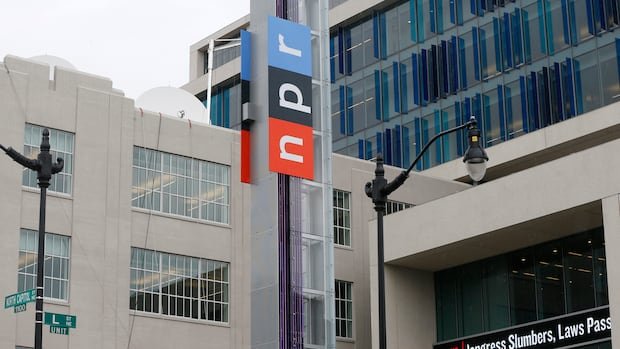

A U.S. federal judge has permanently blocked the Trump administration from cutting federal funding to National Public Radio (NPR) and the Public Broadcasting Service (PBS) citing the protection of free speech under the First Amendment. U.S. District Judge Randolph Moss’s ruling deemed President Trump’s directive to cease funding for NPR and PBS unlawful and unenforceable, emphasizing that the government’s action targeted viewpoints it disagreed with. The decision highlighted that the government’s attempt to bar specific entities from federally funded activities based on their past speech violated constitutional rights.
Last year, Trump expressed his desire to defund NPR and PBS due to perceived bias towards Democrats. NPR accused the Corporation for Public Broadcasting (CPB) of infringing on its free speech rights by cutting off grant money appropriated by Congress. NPR’s president, Katherine Maher, emphasized that public media serves the public interest, not any political agenda. PBS chief Paula Kerger welcomed the ruling, describing the executive order as unconstitutional viewpoint discrimination and retaliation.
The judge’s decision was praised as a victory for the First Amendment and freedom of the press by plaintiffs’ attorney Theodore Boutrous. The ruling emphasized the government’s overreach in attempting to suppress disfavored expression through executive orders. While some legal claims were considered moot due to CPB’s closure, the judge noted that the executive order extended beyond CPB, directing all federal agencies to refrain from funding NPR and PBS.
The lawsuit against administration officials, including Trump, was filed last May by NPR and three public radio stations. Trump’s executive order led to significant funding cuts for PBS, impacting its children’s programming and staff. However, the order did not affect Congress’s decision to eliminate federal appropriations for PBS and NPR, resulting in the closure of CPB. The judge’s ruling underscores the importance of upholding the rights of free speech and preventing government interference in media funding decisions.