
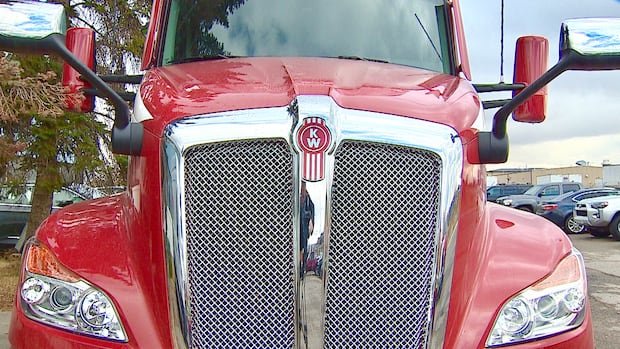

The ongoing conflict between the United States, Israel, and Iran is leading to a surge in diesel prices throughout Canada, with an increase of nearly 30 percent since the start of the war.
This week, the average retail price of diesel has reached $2.19 per liter, marking the highest price point since 2022, when Russia invaded Ukraine.
In comparison, regular gasoline is currently selling at an average of $1.75 per liter at gas stations, according to Kalibrate Canada, a firm specializing in fuel data and analytics.
Due to the significant rise in diesel prices, there are concerns about increased shipping costs as diesel is crucial for the transportation sector, facilitating the movement of trucks, trains, and barges.
“The spike in diesel prices is a cause for concern as it is the primary fuel used for the delivery of consumer goods and services,” explained Andrew Lipow, the president of Lipow Oil Associates.
Various sectors such as farmers, trucking companies, and transit groups across the country are already feeling the financial strain from the escalating prices, a burden that may ultimately be transferred to consumers.
The impact of the rising diesel prices was immediately noticeable to Trevor Wideman, the sales manager at West Coast Transportation in London, Ontario, especially considering that the company’s semi-trucks require around 1,000 liters to fill their tanks.
“Whenever there is turmoil in the Middle East, oil and fuel prices inevitably rise,” Wideman remarked.
As transportation companies pass on these increased costs, the effects trickle down to consumers, affecting various products, from grocery items like ketchup to materials for aircraft manufacturing, as Wideman highlighted.
As of Tuesday, the highest average diesel price was recorded in Chicoutimi, Quebec, at $2.49 per liter, while the lowest was in Grande Prairie, Alberta, at $1.85.
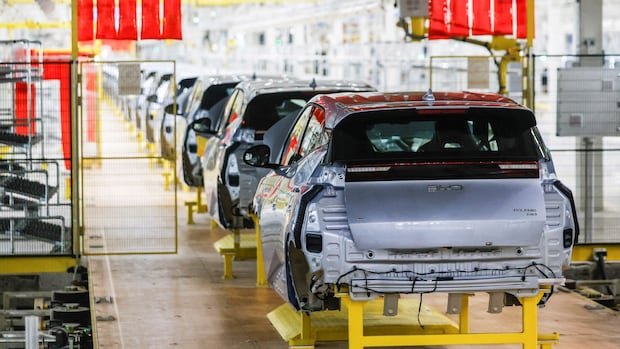
The price of crude oil continues to rise amid the U.S.-Israel conflict with Iran and the closure of the Strait of Hormuz, increasing domestic costs for Canadians.
The escalating fuel prices pose a significant challenge for companies already grappling with tariff issues, noted Dennis Darby, the chief executive of the Canadian Manufacturers and Exporters. High diesel costs result in increased transportation expenses, and some facilities rely on diesel as part of their production processes.
“In recent weeks, we have observed rises in the costs of air transportation, including freight services. We are now beginning to see these impacts extend to transportation more broadly,” Darby stated.
“Every sector is feeling the effects, as the conflict unfolds.”
The conflict in the Middle East has effectively closed the Strait of Hormuz, a critical shipping route for approximately 20% of the world’s oil and natural gas supplies.
Since the conflict’s onset, North American oil prices have surged by almost 50 percent.