

The Lawrence Bishnoi gang, identified as a terrorist group by the Canadian government in September, is reportedly trying to reshape its image within Canada’s South Asian community. They are portraying themselves as criminals with principles who target wrongdoers while sparing law-abiding citizens.
Using social media extensively, the gang has historically used it to claim or disclaim involvement in shootings, issue threats, and make various statements, often sharing videos of their violent activities. However, recent efforts suggest a desire to enhance their public perception.
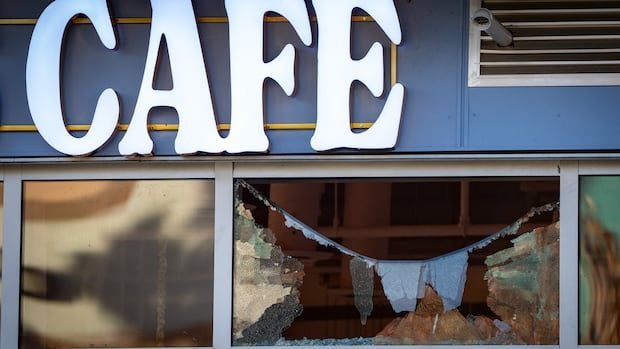
This rebranding initiative coincides with a surge in extortion-related incidents affecting South Asian communities, notably in British Columbia and Ontario. In one recent incident, gunmen fired shots at a café owned by popular Indian comedian Kapil Sharma in Surrey, B.C., marking the third attack on the establishment. Fortunately, no injuries were reported.
Authorities suspect extortion motives behind these attacks, with Surrey Police investigating numerous reported extortion demands and related shootings in the city, including an incident where a woman was shot while asleep in bed. Despite sustaining critical injuries, the woman survived, with police indicating she was likely not the intended target.
The Bishnoi gang has distanced itself from attacks on innocent individuals, alleging that some incidents linked to their name are actually carried out by non-members exploiting the gang’s reputation. They claim to target employers mistreating female employees or exploiting temporary foreign workers and international students.
In a recent development, a self-identified Bishnoi gang member named Fateh Portugal claimed responsibility for three shootings targeting properties linked to the Dhesi family, a prominent Indo-Canadian family with business interests. Videos of the shootings were shared online, depicting armed individuals targeting the family’s properties.
The family refuted the gang’s accusations, denying any involvement in extortion activities. Meanwhile, investigations continue into the shootings targeting the Dhesi family and other similar incidents, prompting concerns within the community about the escalating violence and its potential repercussions.
Overall, the Bishnoi gang’s efforts to rebrand themselves as protectors of the community have generated mixed reactions. While some perceive them as targeting wrongdoers and seeking justice, others remain wary of the gang’s activities and the broader implications for public safety. The gang’s actions and justifications continue to spark debates and raise concerns about the evolving criminal landscape.