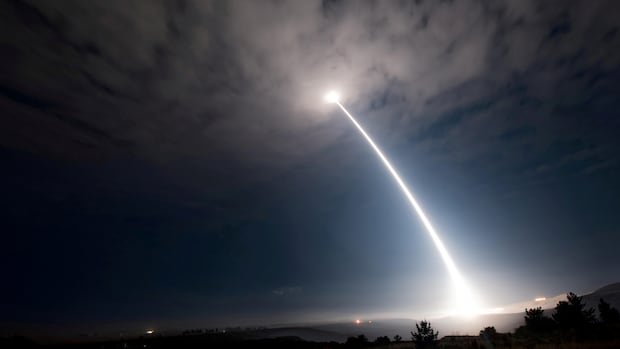

The recent resurgence of nuclear weapons testing has sparked global concern, marking a departure from the relative dormancy seen in the past three decades. Russia made headlines last week with a nuclear-powered missile test that notably did not involve detonating an actual bomb. In response, President Donald Trump announced that the U.S. would resume nuclear testing.
In the 21st century, North Korea stands as the only country to have conducted nuclear weapons tests, all of which were carried out underground. The U.S. last tested a nuclear bomb in 1992, while Russia’s most recent test dates back to 1990, and China ceased testing in 1996.
The iconic and chilling images from the late 1940s and 1950s, featuring open-air nuclear tests, have left a lasting imprint on history. The symbolic mushroom cloud has come to represent the enduring threat posed by nuclear weaponry.
The legacy of these tests continues to haunt regions like Bikini Atoll in the Pacific, where the U.S. conducted massive nuclear tests. The area remains uninhabitable due to lingering radioactive contamination.
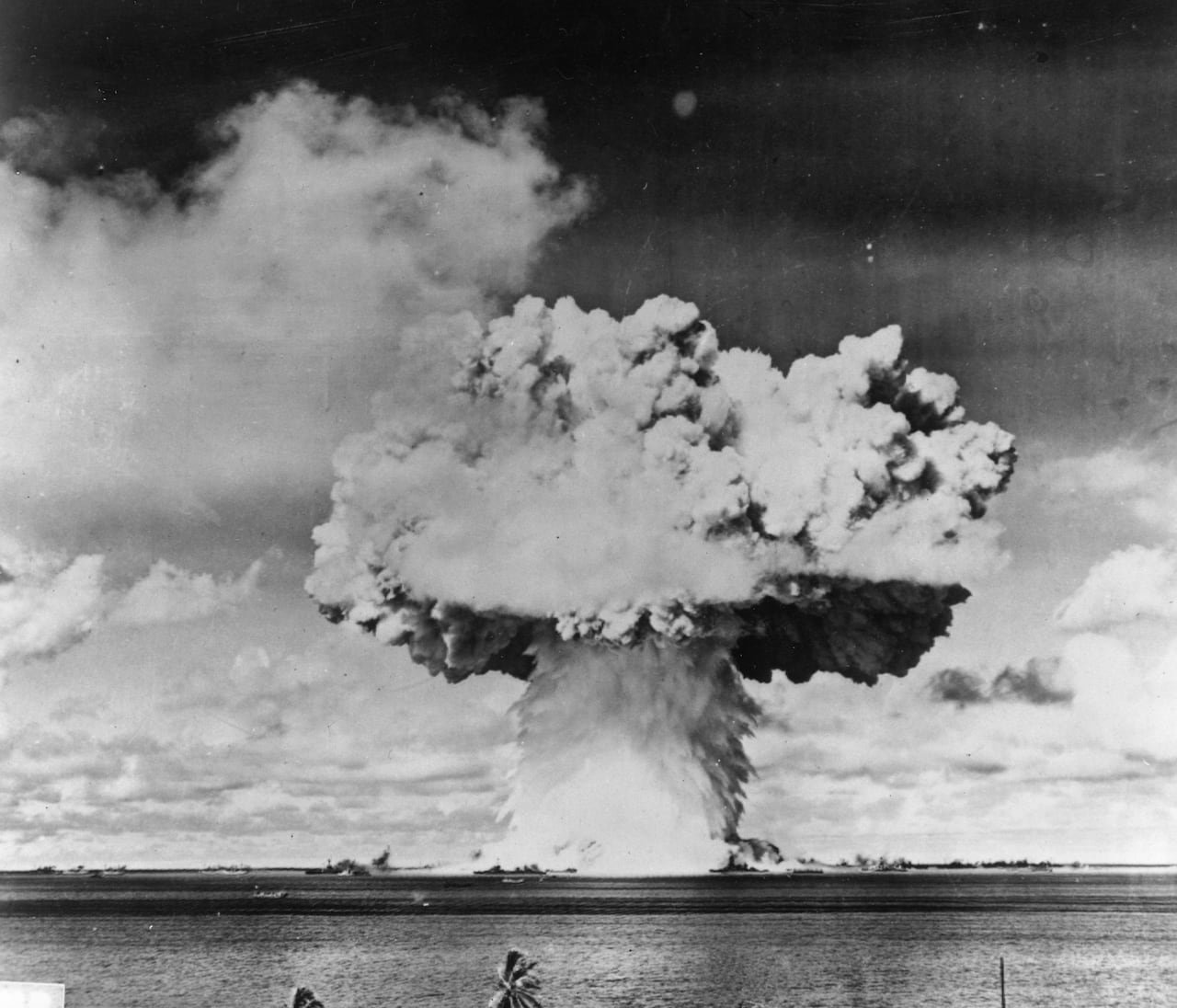
The practice of atmospheric testing came to a halt in 1963 with the adoption of the Partial Test Ban Treaty by the U.S., Soviet Union, and other nations. While lacking rigorous verification mechanisms, the treaty effectively curbed nuclear testing. Both the U.S. and the Soviets ceased such tests and refrained from resuming them. France persisted with above-ground testing until 1974, and China until 1980.
Factors Influencing the Cessation of Testing
Throughout the 1980s, underground testing persisted among major powers, reducing the dispersion of radioactive fallout. Nonetheless, a global movement emerged to advocate for the complete cessation of nuclear testing.
In 1992, the U.S. unilaterally imposed a testing moratorium, followed by the adoption of the Comprehensive Nuclear-Test-Ban Treaty (CTBT) by the United Nations in 1996. This treaty prohibited all nuclear test explosions, whether in the atmosphere, oceans, or underground.
The CTBT established a comprehensive global monitoring network to detect any potential violations of the ban. This system, including hundreds of monitoring sites worldwide, has effectively identified all of North Korea’s clandestine tests.
However, the CTBT has not come into full effect due to insufficient ratifications by key nuclear powers and other nations, such as the U.S., Russia, China, India, Pakistan, Israel, Iran, Egypt, and North Korea.


Providing reliable news, thoughtful insights, and balanced coverage across politics, business, culture, and global affairs. We are committed to factual reporting that informs, engages, and empowers readers every day.