
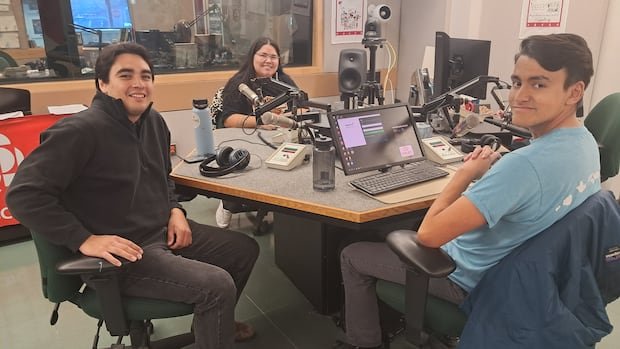

Yukon residents are gearing up for the upcoming territorial election, with a focus on understanding where parties and candidates stand on key issues. Nancy Thomson, guest host of CBC Yukon’s “Midday Café,” brought together a group of young Indigenous voters to discuss their priorities and expectations for the election. The panelists, Ethan LaVallee, Ashley Cummings, and Calum Pillai, shared their perspectives, each representing different political viewpoints.
LaVallee, a member of the Ta’an Kwäch’än Council and the Dakl’awedi clan of the Teslin Tlingit Council, emphasized the importance of political parties recognizing Indigenous people’s need for reconciliation and increased involvement at a young age. He highlighted the progress towards equality and stressed the significance of Indigenous youth being engaged in politics and business opportunities.
Cummings expressed concerns about the high cost of living, healthcare challenges, and dissatisfaction with the current political representation. She emphasized the need for significant change and echoed the sentiments of many of her peers who are feeling burnt out and struggling to make ends meet.
Pillai pointed out the disconnect between the political system and the specific needs of Indigenous youth, emphasizing the importance of representation and finding candidates who genuinely reflect their interests. He highlighted the challenges of finding suitable representatives and stressed the need for political leaders to prioritize the community’s urgent needs.
When discussing party representation, LaVallee noted the increasing diversity in Yukon politics and the importance of Indigenous voices in decision-making processes. He emphasized the significance of Indigenous leadership and the role of First Nations representatives in shaping territorial policies.
Cummings emphasized the human aspect of politics and the need for government leaders to prioritize the well-being of individuals over statistics. She highlighted the struggle of affording housing in Whitehorse and the growing sense of being priced out of the community.
Pillai underscored the critical priorities for Indigenous youth, including housing, food security, and access to essential services like counseling. He emphasized the necessity of addressing immediate needs before focusing on broader cultural initiatives.
In summary, the young Indigenous voters emphasized the need for political leaders to address pressing issues such as housing affordability, job security, and youth engagement to create a better future for all residents of the Yukon.