
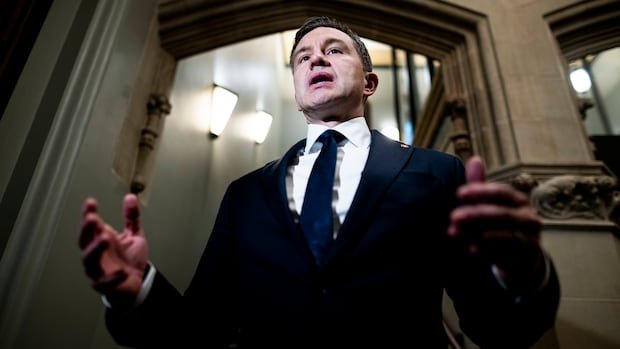

Conservative leader Pierre Poilievre recently accused the RCMP of being part of a significant political cover-up. Before making these claims, Poilievre discussed how he manages to keep his party cohesive despite having various ideological factions within it. He stated that within the party, there are different groups with varying philosophies, such as law-and-order conservatives, libertarians, fiscal conservatives, and social conservatives. To maintain unity, he focuses on common ground among these groups.
Poilievre emphasized his concentration on shared priorities like low taxes, limited government, free enterprise, and a tough stance on crime, which has helped minimize dissent within the party over the past few years. However, his recent remarks challenging the leadership of the RCMP for allegedly covering up the previous prime minister’s wrongdoings have stirred some discord within the Conservative Party.
While Poilievre has not retracted his statements, attempts to clarify his position have been made. He denied suggesting that former Prime Minister Justin Trudeau should be imprisoned but criticized Trudeau for potential criminal activities. Some Conservative MPs have expressed doubts about Poilievre’s leadership in light of these controversial statements.
Critics, including former Harper communications director Dimitri Soudas, have voiced concerns over Poilievre’s confrontational approach. Soudas accused Poilievre of undermining the integrity and seriousness of the Conservative Party. Poilievre’s tendency to challenge institutions like the RCMP is not new, as he has previously targeted non-partisan entities.
Despite Poilievre’s polarizing tactics, recent polling shows a mixed public opinion of him, with a higher favorability rating among Conservative supporters. As the Conservative Party prepares for its next convention in January, where Poilievre’s leadership will be reviewed, these recent events may prompt party members to reassess their alignment with his strategies and beliefs.