
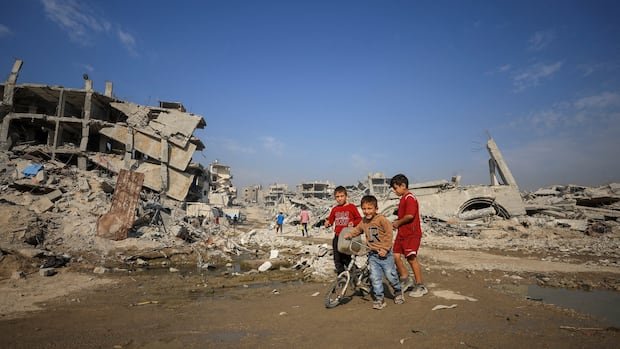

Thousands of aid boxes are stranded in Jordan, Egypt, and Israel, with minimal supplies reaching Gaza despite a ceasefire deal between Hamas and Israel. As winter approaches, many in Gaza are living in deteriorating tents following Israel’s destructive offensive. The Norwegian Refugee Council (NRC) urges urgent access for shelter materials to protect families from the harsh weather. However, only a fraction of the required aid has been allowed into Gaza since the ceasefire began. The NRC reports that millions of shelter items are awaiting approval at the borders, leaving 1.5 million people vulnerable to worsening conditions.
The recent ceasefire has slightly improved the situation, with more food and aid entering Gaza. However, there are still significant challenges, with only a portion of the needed supplies reaching the population. The World Food Program (WFP) notes that essential items like meat, eggs, and vegetables are scarce, contributing to malnutrition. The UN reports a decrease in severe malnutrition cases among children but highlights the ongoing need for swift aid delivery to prevent further suffering.
Despite efforts to increase aid flow, Gaza continues to face fuel shortages, impacting nutrition and health services. The conflict that began in 2023 has resulted in significant casualties on both sides, with ongoing tensions affecting the delivery of humanitarian aid. The situation remains critical, with many families in Gaza still lacking proper shelter, food, and basic necessities as winter approaches.