
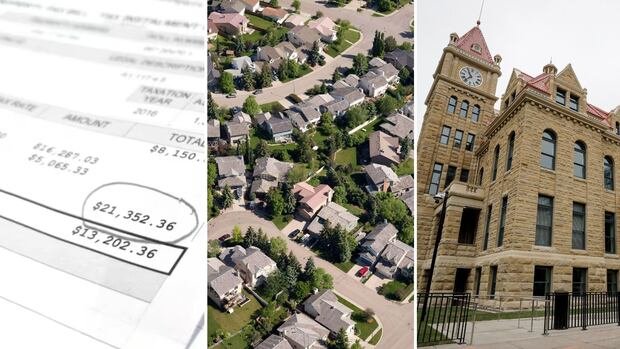

Calgary’s upcoming city council faces a classic challenge: how to balance the budget without increasing taxes. The outgoing council received a preview of the 2026 budget, proposing a 3.6% tax hike to accommodate growth. This puts pressure on the new council to make quick decisions.
Departing Ward 14 Coun. Peter Demong acknowledged the inevitability of tax increases, a sentiment not always well-received by residents. A recent poll highlighted that keeping property taxes low is a top concern for citizens like Ward 2 voter Daphne Zhao.
With the municipal election approaching, some candidates are promising a property tax freeze, while others emphasize fiscal discipline to maintain essential services. The debate on taxation shifts between balancing the burden on residential and non-residential properties.
Calgary has seen a shift in tax dependency from businesses to homeowners, with residential properties now contributing 54% of municipal taxes. The ongoing challenge lies in assessing the value of taxes and services provided, a key aspect for voters in the upcoming election.
Municipalities nationwide, including Calgary, are facing financial challenges due to limited revenue sources and increasing responsibilities. Property taxes and user fees remain the primary revenue streams, posing constraints on budget allocations for critical needs like infrastructure and public services.
The mayoral candidates present diverse approaches to taxation, with proposals ranging from tax freezes to modernizing revenue-sharing models. The province’s involvement in education property taxes aims to ensure equal education quality across communities but sparks debates on affordability and fairness.
As the municipal election nears, the candidates’ stances on taxation and budgeting will play a crucial role in shaping Calgary’s financial future. The need for revenue growth to match rising expenditures underscores the complexity of balancing budgets while providing essential services to residents.