
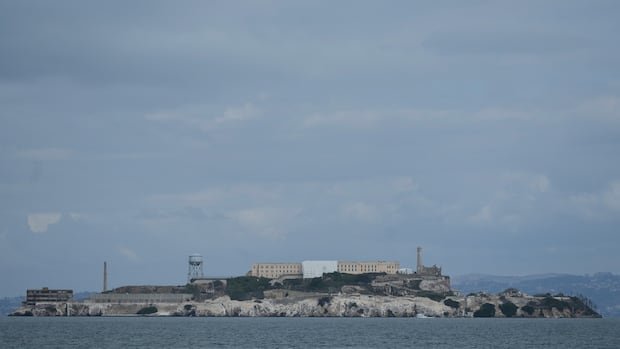

A wild dog recently surprised experts by swimming three kilometers across strong ocean currents. Camilla Fox, the founder of Project Coyote, expressed amazement at the journey of the “Alcatraz Coyote,” stating it was a unique feat in her experience with wild canines. Initially believed to have swum from San Francisco to Alcatraz Island, the male coyote actually embarked from Angel Island, traveling a distance twice as long.
Upon reaching Alcatraz, the coyote appeared exhausted, sparking curiosity among scientists about its motivation for the swim. Fox speculated that the animal may have sought new territory or a mate, typical biological drivers for such behavior. Despite concerns about the coyote’s well-being post-swim, Fox highlighted the resilience and adaptability of coyotes as captivating traits in studying wild animals.
Alcatraz Island, now a U.S. National Park renowned for its diverse ecosystem, was suggested by wildlife ecology professor Joel Berger as a potential sanctuary for the coyote. He explained that coyotes often relocate due to aggression in their birth areas, seeking safer environments. Berger emphasized the intelligence of coyotes in adjusting behavior to coexist with humans, reducing conflicts and promoting peaceful interactions.
As the coyote settles on Alcatraz, its diet of seabirds poses challenges for the island’s ecosystem. Berger warned of potential food scarcity if the coyote preys excessively on vulnerable bird populations, stressing the need for balanced predator-prey dynamics. Both Berger and Fox advocate for better coexistence strategies with coyotes, recognizing their vital role as apex predators in North American ecosystems.
Ongoing research at the University of California Davis aims to deepen understanding of coyotes in the region, including those around Angel Island and San Francisco. The “Alcatraz Coyote” joins a small population that colonized Angel Island in 2017, sparking anticipation about its future movements. Fox expressed eagerness to track the coyote’s journey, hoping for insights into its eventual return to Angel Island or potential dispersal to new territories.