
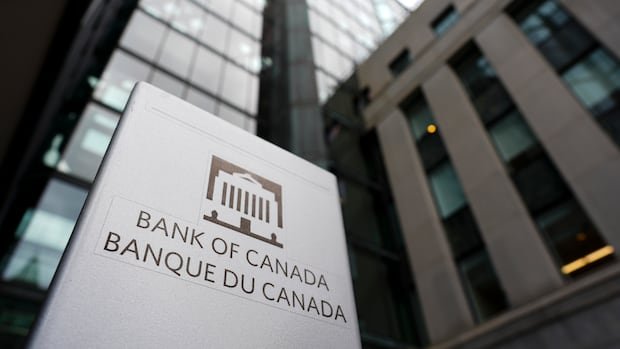

The Bank of Canada mentioned on Thursday that the Canadian financial system is performing satisfactorily, although vulnerabilities are on the rise within a highly volatile economic and geopolitical landscape. Senior Deputy Governor Carolyn Rogers stated that while the financial system in Canada is generally well-equipped to withstand shocks, vulnerabilities have escalated in certain areas. Governor Tiff Macklem, who typically presents the report, was absent due to attending to an urgent personal matter.
Released annually, the Financial Stability Report evaluates the current financial market status, emphasizing risks and vulnerabilities that could jeopardize economic resilience. Over the past year, the economy has grappled with various tariffs imposed by U.S. President Donald Trump, disrupting the job market and production in critical sectors, impacting economic growth.
Notable vulnerabilities highlighted by Rogers include high stock market valuations, increased corporate debt, and amplified borrowing by hedge funds to purchase sovereign debt. While these risks can be managed individually, a more volatile economic and geopolitical environment could exacerbate potential issues.
Rogers expressed concerns that a new shock or a combination of shocks could cause multiple vulnerabilities to materialize simultaneously, leading to a rapid asset sale or heightened demand for liquidity. Factors such as the imminent review of the North American free trade agreement and the oil shock from the Iran conflict pose significant risks to the economy.
In the previous year’s report, Macklem had underscored the risks of an extended trade war with the U.S., which could hinder the ability of households and businesses to meet debt obligations. However, Rogers pointed out that the impact of these risks has been less widespread than initially feared.
Deputy Governor Toni Gravelle noted that although Canadian households hold higher debt levels, the proportion of borrowers falling behind on debt payments has stabilized. The central bank anticipates the wave of mortgage renewals at higher rates, a key concern from the previous year, to fully subside by the second half of 2027. The financial health of businesses was described as generally stable.
During a subsequent press conference, Rogers acknowledged that despite positive household economic data in the report, Canadians may still be experiencing stress due to economic uncertainties. She highlighted that even households managing to make debt payments might be under some level of strain.
Major Canadian banks, which dominate the domestic banking sector, have reported increased profitability and capital buffers, signaling robust financial stability.