
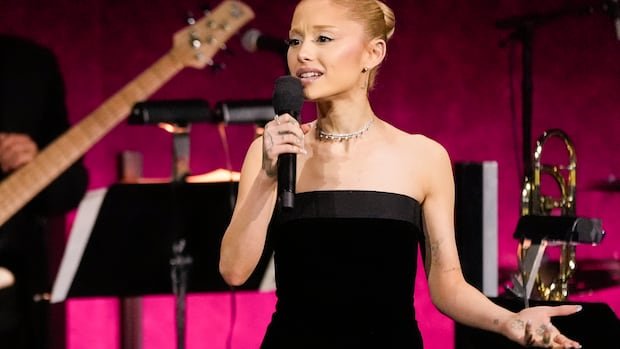

American singer Ariana Grande has urged the administration of U.S. President Donald Trump to refrain from using her music to endorse its policies. The request was made in response to a video shared by the White House on TikTok, showcasing its immigration stance and featuring Grande’s song “Bye” from 2024. Grande expressed her disapproval, labeling the policies as barbaric and inhumane. In a counter statement, White House spokesperson Abigail Jackson defended the video, emphasizing the impact of criminal illegal aliens on innocent American citizens.
Following Grande’s objection, her team is actively exploring options to remove her music from the video promptly. This incident is not the first instance of an artist’s music being utilized by the Trump administration without proper authorization. Various artists, including Neil Young, John Fogerty, and Panic! At The Disco, have raised objections and even taken legal action to prevent such unauthorized use.
President Trump, currently serving his second non-consecutive term, frequently employs popular songs in short social media videos to highlight his administration’s initiatives, ranging from immigration enforcement to military operations. Artists like ABBA have joined the growing list of musicians demanding that their music not be associated with the Trump campaign. This trend has sparked controversies, with legal experts noting that artists hold the right to challenge the unauthorized use of their songs.