
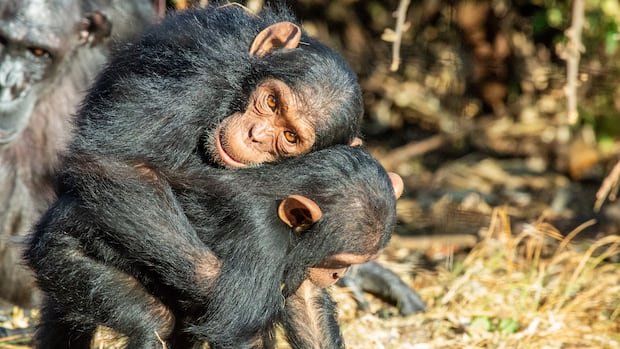

In a recent interview with Jake Brooker, the topic of how great apes maintain peace through physical affection was discussed. The study revealed that both chimpanzees and bonobos utilize hugs, kisses, pats, and even love bites to foster “social tolerance” and prevent unnecessary conflicts before potentially stressful situations.
Lead author Jake Brooker highlighted that these apes also engage in genital touching to maintain social bonds. The findings, published in the journal Proceedings of the Royal Society B: Biological Sciences, provide insights into how our closest animal relatives manage social dynamics during challenging times.
Researchers observed that great apes not only seek comforting touch after conflicts but also display affection in other stressful situations, such as facing external threats or anticipating meals. The study, conducted with semi-wild bonobos and chimpanzees in sanctuaries in the Democratic Republic of Congo and Zambia, revealed that pre-snack cuddling helps build trust, reducing the likelihood of food-related conflicts and promoting longer feeding periods.
While both chimpanzees and bonobos exhibit positive touching behaviors, it is noteworthy that even the more aggressive chimps engage in such interactions. The study suggests that these behaviors may have evolved in our shared ancestors to mitigate social conflicts.
Chimpanzees were observed to engage in a wider range of affectionate behaviors compared to bonobos, including higher-risk actions like gentle bites and finger placing in each other’s mouths, particularly among males. This behavior could be a strategy for highly aggressive species to ensure social tolerance within the group.
Brooker highlighted the importance of physical contact in communication and bonding, emphasizing that societal norms sometimes discourage such interactions among humans. Recognizing the value of affectionate behaviors seen in great apes can offer lessons on the significance of touch in fostering connections and understanding among individuals.