
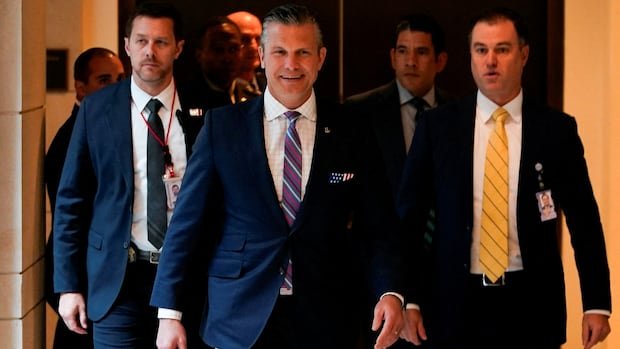

The White House defended the actions of a U.S. admiral who authorized multiple strikes on a suspected Venezuelan drug-smuggling vessel in September. Despite criticism regarding the legality of targeting survivors, the White House stated that the admiral had the approval of U.S. Defence Secretary Pete Hegseth.
Reports indicated that a second strike was carried out to eliminate two survivors from the initial attack, following an order allegedly issued by Hegseth to eliminate all individuals on board.
President Donald Trump expressed disapproval of the second strike, stating that he did not support such actions, contrary to Hegseth’s reported order.
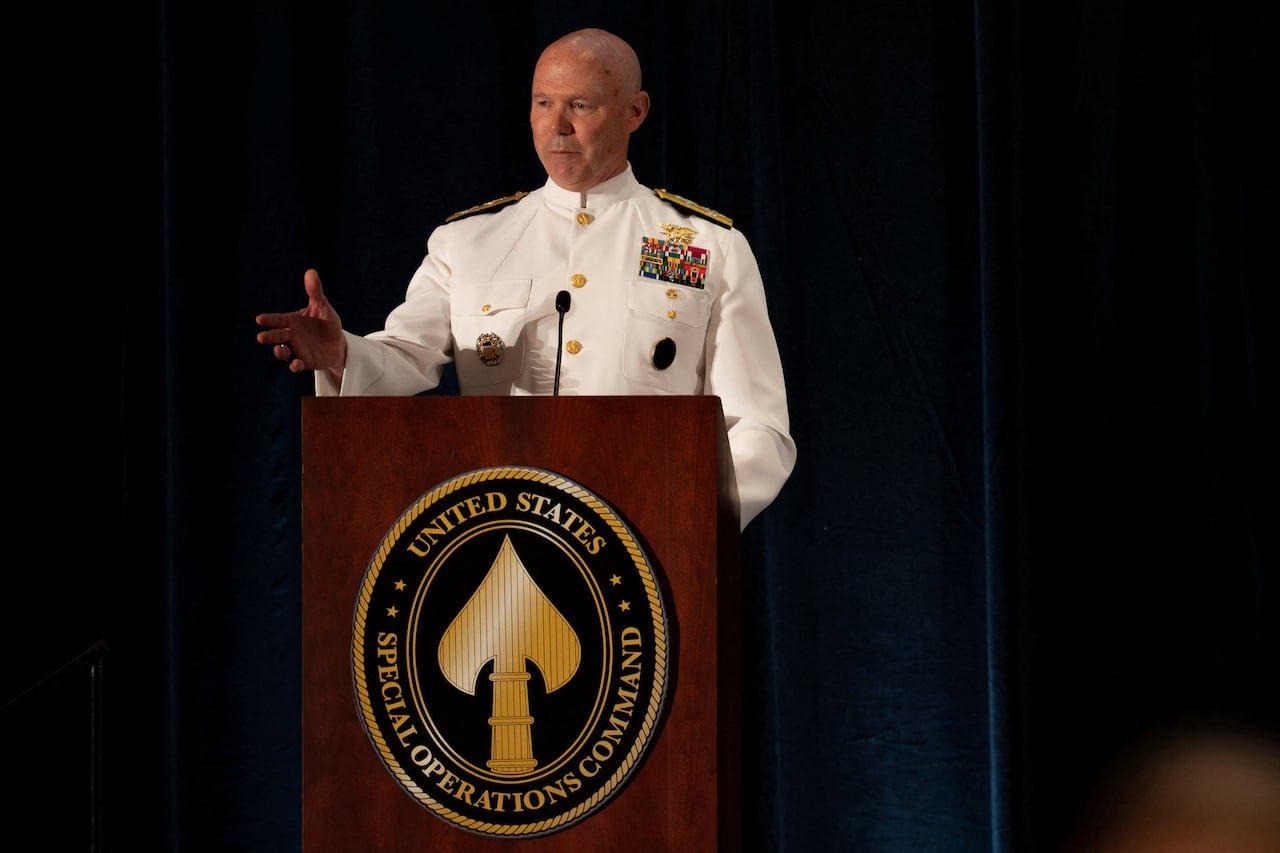
White House representative Karoline Leavitt affirmed that Admiral Frank Bradley had been authorized by Hegseth to conduct the strikes on September 2, emphasizing that Bradley acted within his legal authority.
According to Leavitt, the strike was deemed an act of self-defense to safeguard U.S. interests, occurring in international waters and consistent with the laws of armed conflict.
The administration classified the targeted individuals as foreign terrorist organizations.
Since September, the U.S. military carried out at least 19 strikes on suspected drug vessels in the Caribbean and off the coasts of Latin America, resulting in the deaths of at least 76 individuals.
Concerns over the legality of these strikes have been raised, prompting both Republican and Democratic lawmakers to pledge investigations.
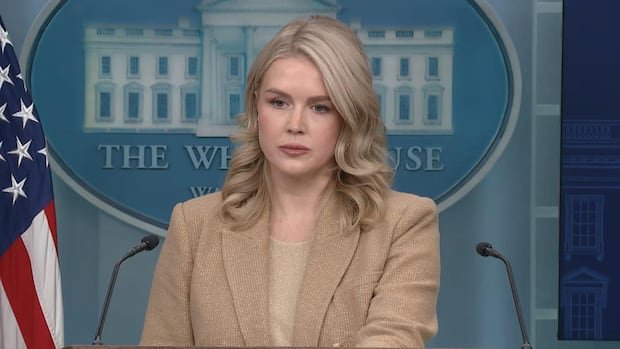
White House press secretary Karoline Leavitt confirmed that a U.S. Navy admiral ordered a second strike on a suspected drug vessel in the Caribbean Sea in September, asserting the action’s legality. The incident faces bipartisan scrutiny following reports of Defense Secretary Pete Hegseth’s alleged verbal directive for a lethal second strike on survivors.
Likely ‘a war crime’
International humanitarian law prohibits attacks on incapacitated combatants. The U.S. Defence Department’s Law of War Manual stipulates that shipwrecked individuals cannot be intentionally targeted and should receive medical assistance unless engaging in hostile acts or attempting to escape.
Legal expert Laura Dickinson from George Washington University indicated that most authorities do not view the boat strikes as part of armed conflict, suggesting that lethal force should only be used as a last resort.
- <a class="cardWrapper-u5T0r cardWrapper-_487P noPaddingCardWrapper" data-feature-instance="similar-link" data-feature-name