
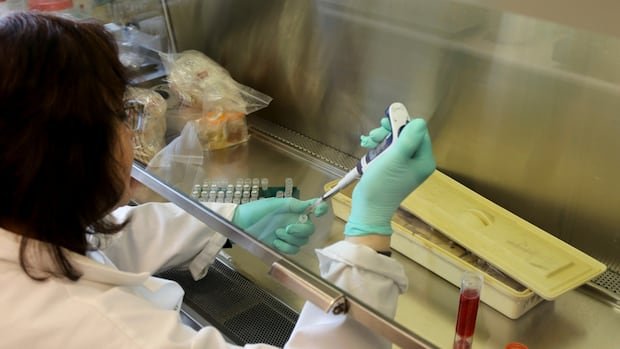

Experts have highlighted Canada’s initiative to construct a $267 million medical countermeasures lab in Winnipeg as a crucial step in preparing for future pandemics. However, they have raised concerns about the facility’s sustainability in terms of long-term funding, staffing, and governance.
The government recently awarded a $10.2 million contract for the design of the lab, which is projected to be operational by 2033 adjacent to Winnipeg’s National Microbiology Laboratory (NML). While the lab is expected to address the need for early-stage vaccine testing, health researchers emphasize the importance of continuous investments in skilled personnel for the facility to excel.
Dr. Joanne Liu, a renowned physician and professor at McGill University, stressed the significance of having qualified staff to complement the new infrastructure. She emphasized the necessity of aligning actions with intentions to effectively implement countermeasures against potential health threats.
The lab aims to alleviate the preclinical bottleneck by providing space for laboratory and animal trials within Canada’s research and development framework. Currently, due to space constraints, NML sometimes repurposes facilities originally designated for high-risk pathogen research to conduct preclinical testing.
Both industry and academic partners could utilize the lab’s facilities, subject to appropriate agreements and vetting procedures. The expansion of Canada’s testing capacity has been a longstanding discussion among health experts, with the need for dedicated resources to transition vaccine discoveries into clinical trials.
Sustainability in funding during non-crisis periods is crucial, as highlighted by McGill’s Dr. Liu. She emphasized the importance of consistent investment in pandemic research even during times of relative calm, citing recent staff cuts at NML as a potential hindrance to attracting top talent.
Concerns have been raised regarding governance risks associated with the lab’s operation solely by the government. Past challenges in technology transfer and commercialization, as seen with the Ebola vaccine development, underscore the need for efficient management and funding mechanisms to avoid potential setbacks.
While PHAC has emphasized its commitment to bolstering Canada’s medical countermeasures capacity, experts like Gary Kobinger stress the need for sustained funding and effective governance to ensure the lab’s success. The involvement of new agencies and infrastructural developments must be accompanied by strategic leadership to avoid repeating past mistakes and optimize the lab’s potential impact.