

A significant portion of the global population experiences menstruation, yet there has been limited progress in the development of menstrual products, as noted by a researcher from McMaster University. Zeinab Hosseinidoust, a professor at the university’s department of chemical engineering, emphasized the potential for innovation in this field, highlighting both complex and straightforward unmet needs.
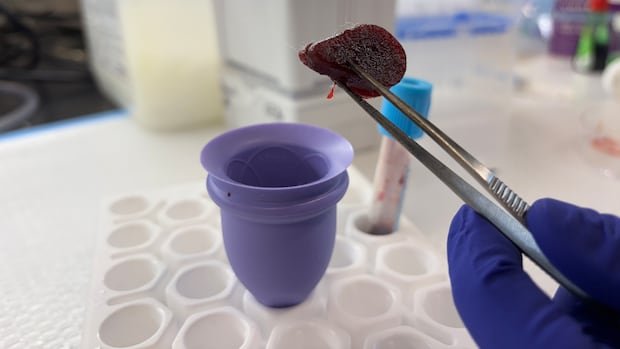
Collaborating with associate professor Tohid Didar, Hosseinidoust spearheaded the creation of intelligent tablets designed to enhance the usability of menstrual cups and address associated concerns regarding cleanliness. This innovation aims to streamline the management of menstrual cups, offering a solution to common challenges faced by users.
According to UN Women, more than two billion individuals worldwide menstruate, with a notable percentage encountering period poverty. In Canada, statistics reveal that one in six menstruating individuals has faced period poverty, underscoring the financial burden associated with menstrual products. Additionally, societal perceptions around menstruation remain a challenge, with a considerable portion viewing periods as unclean.
The rising popularity of menstrual cups due to their eco-friendly and cost-effective nature prompted Hosseinidoust to investigate barriers to their adoption. She discovered that concerns about the mess associated with menstrual cups deterred potential users. By addressing this simple yet crucial issue, Hosseinidoust believes that the menstrual health landscape can be revolutionized, challenging the historical neglect of women’s health concerns.
Feedback from individuals like Dior David, a McMaster student, and Jennifer Abraham underscores the importance of innovative menstrual products in enhancing user experience and fostering open conversations about periods. David expressed enthusiasm for the convenience offered by the tablets, highlighting their potential to simplify cup maintenance in public settings.
The seaweed-based tablets, while single-use, present a sustainable alternative to traditional menstrual products. They are not only biodegradable and cost-effective but also possess the capability to detect infections such as UTIs and bacterial vaginosis. Hosseinidoust’s research on bacteriophages, aimed at combating harmful bacteria while preserving beneficial flora, holds promise for advancing menstrual product technology.
In Hosseinidoust’s view, the discovery of untapped potential in menstrual product innovation represents a significant opportunity for positive change. By bridging the gap in product development and addressing critical user needs, these advancements have the potential to transform menstrual health care and contribute to broader public health initiatives.