

Prime Minister Mark Carney’s administration has introduced a new initiative valued at over $35.5 billion to ensure First Nations children remain connected to their communities, cultures, and families. This amount is lower than the $47.8 billion proposed by former Prime Minister Justin Trudeau’s government over a decade but spans a shorter timeframe and includes a significant distinction: an annual commitment of $4.4 billion starting in 2033-34 following the initial $35.5 billion investment.
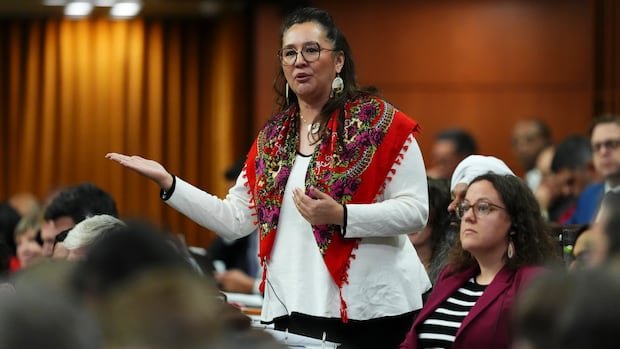
Indigenous Services Minister Mandy Gull-Masty disclosed the specifics to CBC News ahead of the official announcement in Ottawa on Monday, coinciding with the submission of their plan to revamp the on-reserve child welfare system at the Canadian Human Rights Tribunal.
Gull-Masty emphasized the urgency of addressing child welfare issues promptly to prevent further harm. She stressed the importance of creating a system where children in care are surrounded by their community, loved ones, and cultural influences.
In addition to the government’s proposal, the tribunal is reviewing an alternative plan put forth by a coalition of First Nations chiefs and child advocates known as the National Children’s Chiefs Commission in collaboration with the First Nations Child and Family Caring Society.
The government’s plan aims to establish a national framework while allowing for regional agreements with First Nations groups to customize service delivery based on their unique circumstances. Gull-Masty highlighted the intention for communities to determine their care standards, emphasizing community-driven decision-making.
Furthermore, Gull-Masty expressed her personal connection to the issue, having previously served as the first female grand chief of the Cree Nation Government in Quebec. She underscored the significance of her experiences in shaping her commitment to improving the welfare of Indigenous children.
Despite the existence of multiple proposals, Gull-Masty emphasized the importance of collaboration and unity in addressing the challenges faced by Indigenous children, highlighting the need to work together to bridge existing gaps.