


The school board in Fort St. John, B.C., has introduced new regulations regarding the use of artificial intelligence by students and teachers as part of its plan to implement AI technology in classrooms throughout the district.
Approved by School District 60 trustees on Monday, the guidelines permit students to utilize authorized AI tools only under the supervision of a teacher. Any use of AI must adhere to school codes of conduct, ensuring that personal information remains confidential.
Stephen Petrucci, the superintendent of schools for the district, stated, “While we are aware that students are engaging with AI, the extent of its use beyond the classroom is still unclear. Our proactive approach aims to address the presence of AI in education.”
Collaborating with the province and neighboring school districts such as West Vancouver and Surrey in the Lower Mainland, the district developed these guidelines over the past year.
In 2024, the province issued guidelines and resources to support schools in establishing policies for the ethical and safe use of AI.
Although the district has not yet integrated AI into classroom instruction, Petrucci mentioned ongoing discussions about student assessments and work.
He likened the guidelines to “guardrails” providing clear boundaries for students and teachers, emphasizing the constructive use of AI over unethical practices like cheating.
Ensuring student safety is the primary focus, with educational benefits being a secondary consideration.
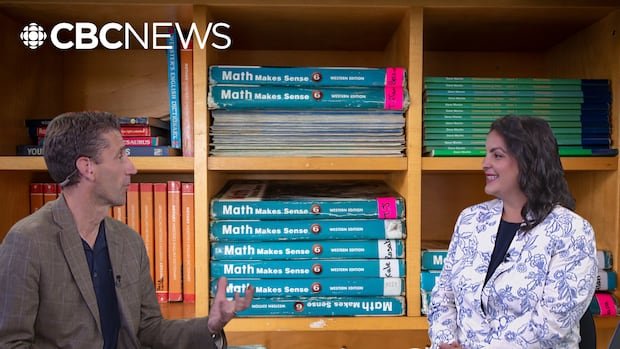
In the 1980s, classroom learning changed forever when computers were introduced and revolutionized schools. Something similar is happening right now in the age of AI. While many remain cautious about using it, some schools are leveraging its benefits to reshape the way they teach and the way students learn. West Vancouver School District’s superintendent of schools and CEO tells us how their classrooms are using AI.
One crucial guideline is