
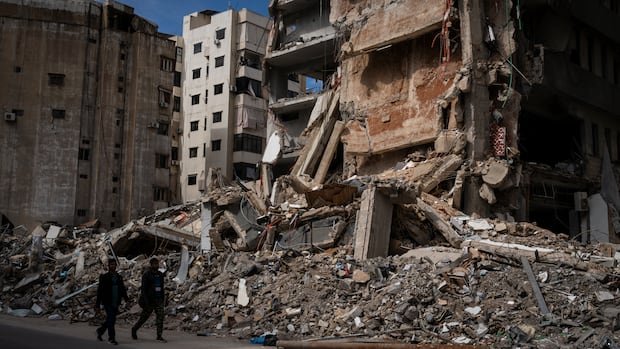

Iran rejected a proposal from the United States to halt the conflict in the Middle East and continued launching attacks on Israel and Gulf Arab nations, resulting in a significant fire at Kuwait International Airport. This defiance coincided with Israel carrying out airstrikes on Tehran and the United States deploying paratroopers and additional Marines to the area.
According to Iranian state television’s English-language broadcaster, Press TV, an unnamed official stated that Iran had dismissed the ceasefire offer from the U.S. The rejection followed Pakistan delivering the proposal to Iran.
“Iran will only cease hostilities on its own terms,” the official was quoted by Press TV as saying, emphasizing that Tehran would persist in delivering impactful strikes across the Middle East. The proposal, described as a 15-point plan by Pakistani officials, touched on various aspects including sanctions relief, civilian nuclear cooperation, nuclear program adjustments, monitoring by the International Atomic Energy Agency, missile restrictions, and access to the Strait of Hormuz.
Certain elements of the plan were deemed non-negotiable by Iran, particularly discussions regarding its ballistic missile program and support for regional militias, deemed essential for its security. President Donald Trump implied ongoing negotiations with Iran, although the specifics remained undisclosed. White House press secretary Karoline Leavitt reiterated the existence of talks between the U.S. and Iran, despite refutations from Iranian officials.
The conflict’s repercussions on the global energy market were highlighted by Iran’s attacks on regional energy infrastructure and its control over the vital Strait of Hormuz, which handles a significant portion of the world’s oil shipments. Various countries, including Pakistan and Egypt, expressed the urgent need for concerted efforts to de-escalate the situation.
United Nations Secretary General Antonio Guterres condemned the escalating conflict and urged the U.S. and Israel to cease the fighting to prevent further human suffering and economic turmoil. Guterres also appointed veteran diplomat Jean Arnault as his personal envoy for the Middle East crisis.
The challenges in U.S.-Iran negotiations were underscored by the complex dynamics and historical mistrust between the two nations. The uncertainty regarding Iran’s negotiating authority and Israel’s determination to continue its military operations further complicated the prospects for peace talks.
As military preparations intensified, Israel launched fresh strikes on Iran, targeting key infrastructure. The ongoing conflict led to missile exchanges and drone attacks, exacerbating tensions in the region. The United Nations and rights officials raised concerns about the humanitarian impact of the war, emphasizing the need to protect civilian lives and infrastructure.
The death toll on all sides continued to rise, with casualties reported in Iran, Israel, U.S. military personnel, and civilians in various affected regions. The devastating consequences of the conflict underscored the urgent need for diplomatic solutions to end the violence and restore stability in the Middle East.