
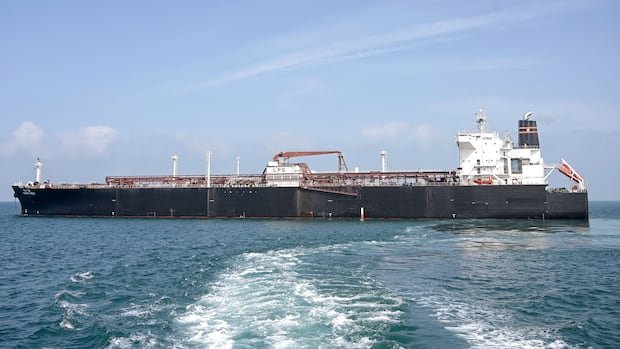

Shippers were seeking clarity on logistical arrangements on Wednesday to resume tanker traffic through the Strait of Hormuz following a ceasefire deal between the U.S. and Iran. Most oil and gas tankers remained within the Gulf, as indicated by LSEG shipping data, even after U.S. President Donald Trump announced the two-week ceasefire aimed at addressing the traffic congestion.
Iran’s foreign minister, Abbas Araqchi, stated that Tehran would halt counter-attacks and facilitate safe passage in collaboration with its armed forces, provided attacks against the country cease. Ship tracking data from Kpler revealed that around 187 tankers carrying 172 million barrels of crude oil and refined products were present inside the strait as of Tuesday.
Daejin Lee, the global head of research at Fertmax FZCO, estimated that clearing the backlog of over 1,000 ocean-going vessels within the Persian Gulf would likely take more than two weeks, even under normal circumstances. Lee emphasized that a 14-day window was insufficient to restore the necessary confidence to alleviate uncertainties, particularly for Arabian Gulf loading routes.
Several details, such as the required actions for ships and charterers to obtain passage, remained unclear according to Lee. He anticipated that many reputable shipowners might delay committing vessels until the ceasefire stability is confirmed.
Various countries, including Canada, have pledged to ensure ‘freedom of navigation’ through the strait, which had been blockaded by Iran in response to U.S. and Israeli attacks. The blockade significantly impacted global fertilizer and energy trade routes, causing disruptions in energy prices and markets.
The Asian economies, major buyers of oil passing through the strait, suffered substantial losses due to the disruptions. Efforts are being made to resume normal trade flow through the strait, with diplomatic discussions and military patrols being considered as potential solutions to maintain open passage.
Iran’s approach to peace talks with the U.S. is cautious, reflecting a significant trust gap between the two nations. Iranian officials mentioned the drafting of a protocol with Oman to regulate ship passage through the strait, including the requirement for permits and licenses.
Shipping associations and industry experts are closely monitoring the situation for guidance from relevant authorities before deciding on transiting the strait. While oil prices initially dropped after the ceasefire announcement, market analysts remain cautiously optimistic, awaiting normalization of shipping activities and a potential long-term peace agreement facilitated by the temporary truce.